

.svg)
Our research explores the adoption of AI smart glasses in India, covering real-world use cases across enterprise workflows,
developer tools, accessibility solutions, spatial computing, and smart wearable technology.
We analyze how AI-powered wearables, extended reality (XR), and voice-enabled interfaces are
shaping the future of hands-free computing and intelligent consumer devices.
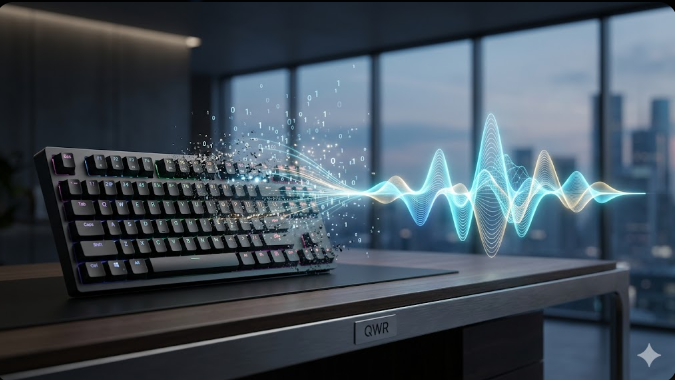
In 2026, the voice AI co-thinker replaces the flashing cursor, ending the friction of typing to think. Moving beyond transactional chatbots, this reflective cognitive voice AI acts as a cognitive mirror, utilizing context-aware intelligence to evolve raw ideas into strategy. By reducing the "cognitive tax" of keyboards, founders achieve mental throughput and deep focus, turning ephemeral thoughts into a compounding long-term memory of intellectual growth.
Read More.png)
Voice-native AI is redefining productivity by eliminating the "glance barrier" of screens. By functioning as an ambient AI thinking partner, it captures thoughts during "thinking out loud" sessions, building a secure Neural Vault for your ideas. This voice-first AI assistant ensures on-device voice AI privacy while generating intellectual compound interest through continuous context, transforming fleeting spoken insights into a permanent, searchable, and collaborative digital knowledge web.

As AI glasses shipments surge to 8.7 million units, a major privacy crisis is unfolding. Driven by Meta’s 2026 scandals involving human contractors and stealth surveillance, the industry faces intense legal scrutiny. This deep dive explores the Clarkson class-action lawsuit, the failure of privacy LED indicators, and the urgent shift toward on-device processing to protect personal anonymity in an "always-on" world.
Read More
This foundational insight explores why Made in India VR is a strategic necessity for spatial computing. By prioritizing indigenous hardware manufacturing, QWR ensures data sovereignty and supply chain resilience. This approach addresses the specific ergonomic and environmental needs of the Indian market, moving beyond software to provide a secure, high-performance "host" for industrial and educational infrastructure.
Read More
Smart glasses in retail are becoming a major technology shift for Indian retailers in 2026. AI smart glasses enable hands-free inventory management, real-time product information, AR store navigation, and AI-powered shopping assistants that improve customer experience and staff productivity. With falling hardware prices and growing adoption from devices like Ray-Ban Meta glasses, retailers can now implement smart glasses for faster operations, better training, and improved sales. This guide explains smart glasses use cases, costs, infrastructure needs, and ROI for retail businesses in India.
Read More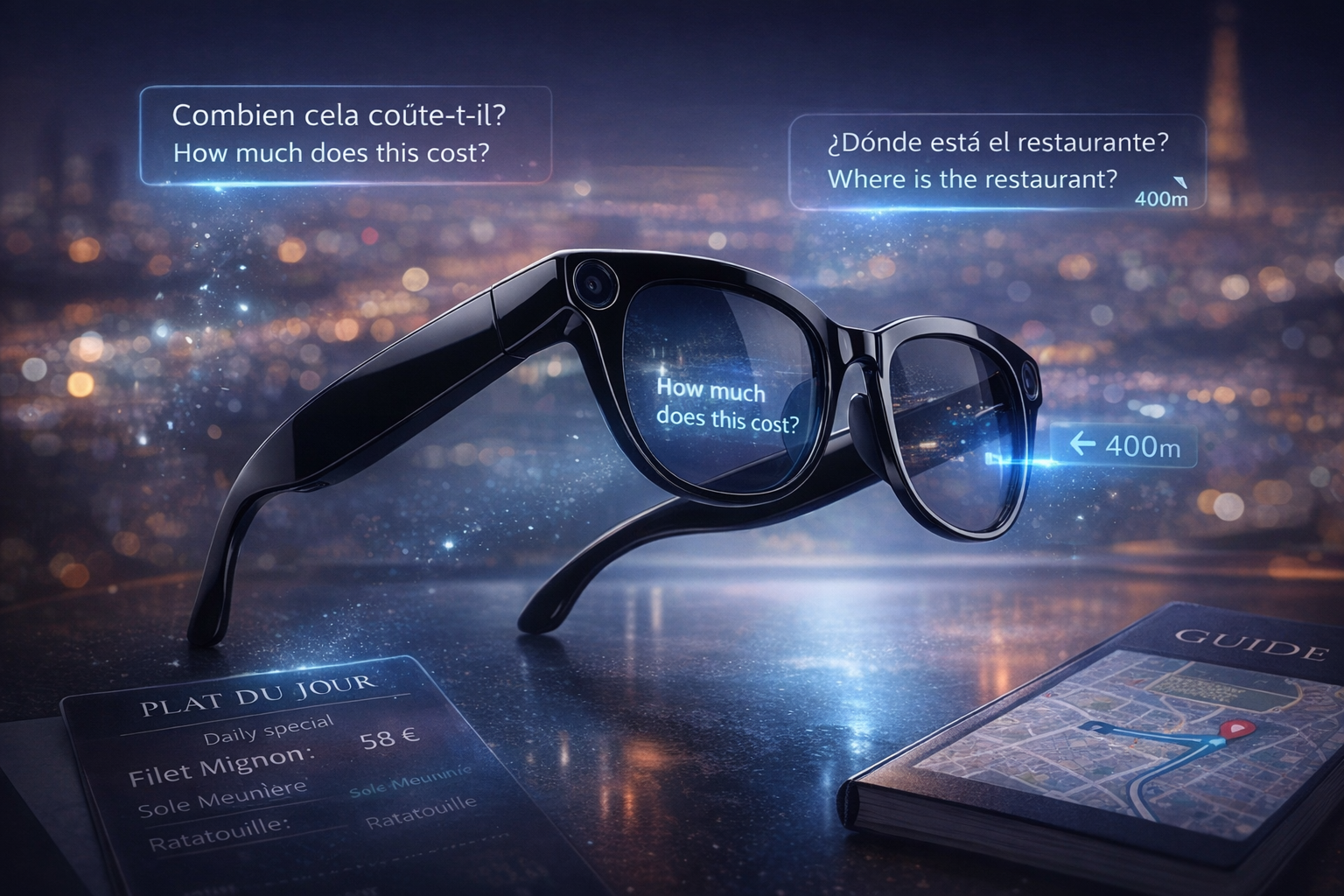
Real-time translation glasses use AI, microphones, and smart displays to translate conversations, signs, and menus instantly, helping travelers and professionals communicate across languages. This guide explains how translation smart glasses work, their benefits for international travel and business, and their limitations such as battery life, pricing, and language support. We also compare popular models like Ray-Ban Meta and emerging AI smart glasses. Indian buyers will learn whether real-time translation glasses are worth buying in 2026.
Read More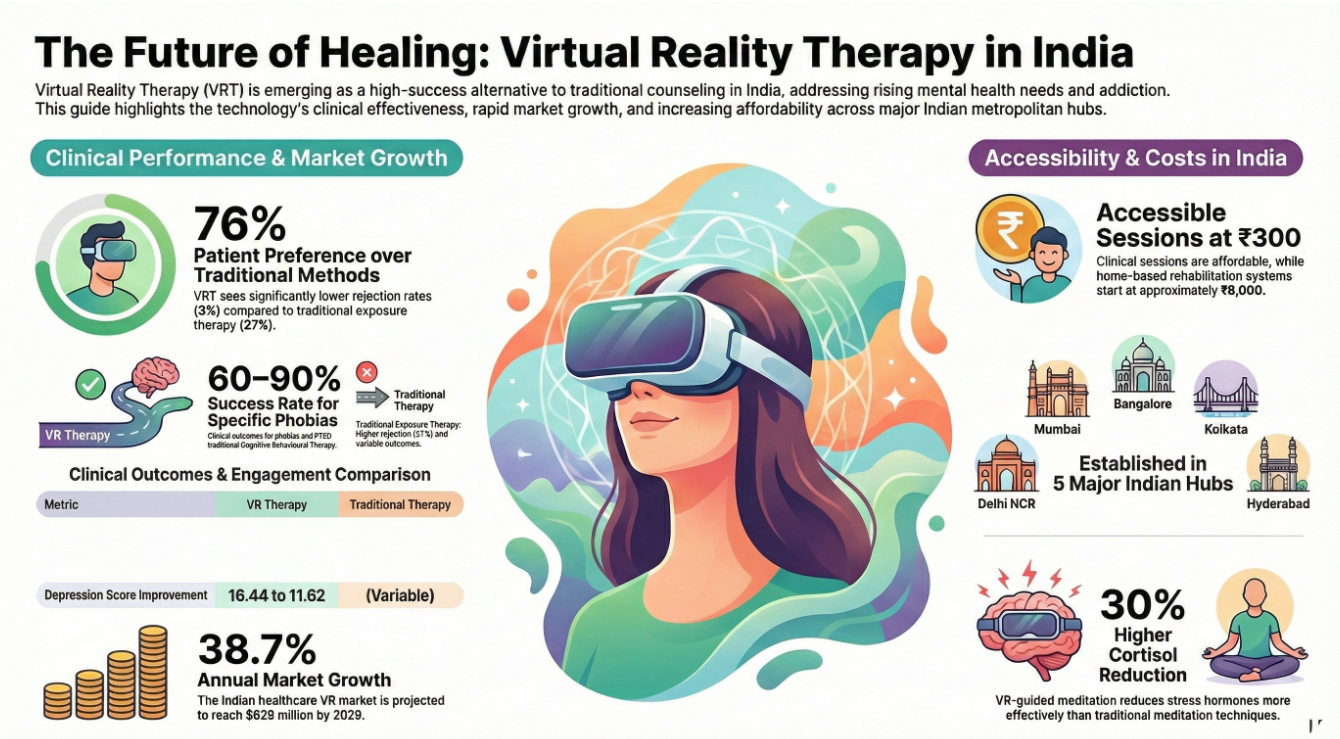
Virtual reality therapy is emerging as an effective mental health treatment in India, offering immersive, controlled environments to manage anxiety, phobias, PTSD, depression, addiction, and stress. Research shows VR therapy matches or exceeds traditional methods, with higher patient engagement and success rates of 60–90% for specific conditions. Available in major Indian cities and through affordable home-based systems, VR therapy presents a scalable solution, though suitability varies for individuals with certain medical conditions.
Read More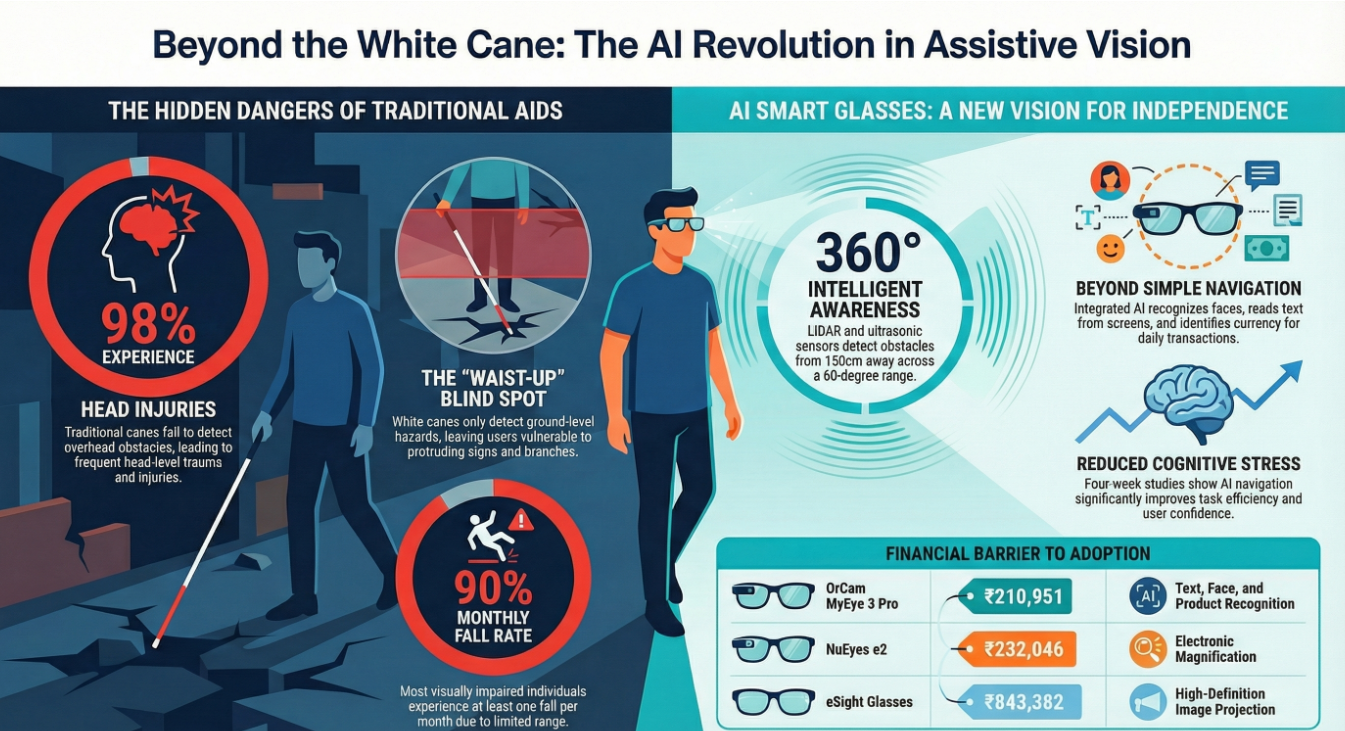
Object detection glasses powered by AI are transforming mobility for visually impaired individuals by offering real-time environmental awareness beyond traditional aids like white canes. Using cameras, sensors, and computer vision, these wearable smart glasses detect obstacles at all heights, read text, recognize faces, and improve navigation safety. While challenges remain around affordability, infrastructure, and real-world performance, studies show AI-assisted navigation improves independence, safety, and confidence—especially in countries like India with a large visually impaired population.
Read More%20(1).png)
Generative AI is rapidly transforming XR content creation in India by reducing costs, time, and technical barriers. AI-powered tools now enable fast 3D asset generation, text-to-3D environments, and dynamic content creation, unlocking applications in education, training, marketing, and entertainment. Despite strong growth potential and job creation, challenges remain around infrastructure, language localization, skills gaps, and quality control. With the right investments, generative AI XR can democratize immersive experiences and position India as a global XR leader.
Read More.png)
Screen fatigue solutions are essential in 2026 as digital eye strain and computer vision syndrome affect up to 90% of screen users. Prolonged screen time reduces blink rate, causes dry eyes, blurred vision, headaches, and accommodation fatigue. Proven remedies include the 20-20-20 rule, optimized screen brightness, artificial tears, ergonomic posture, and regular eye exams. Emerging technologies like smart glasses, heads-up display glasses, blue light filtering lenses, and voice-controlled wearable tech offer advanced eye protection and digital wellness support.
Read More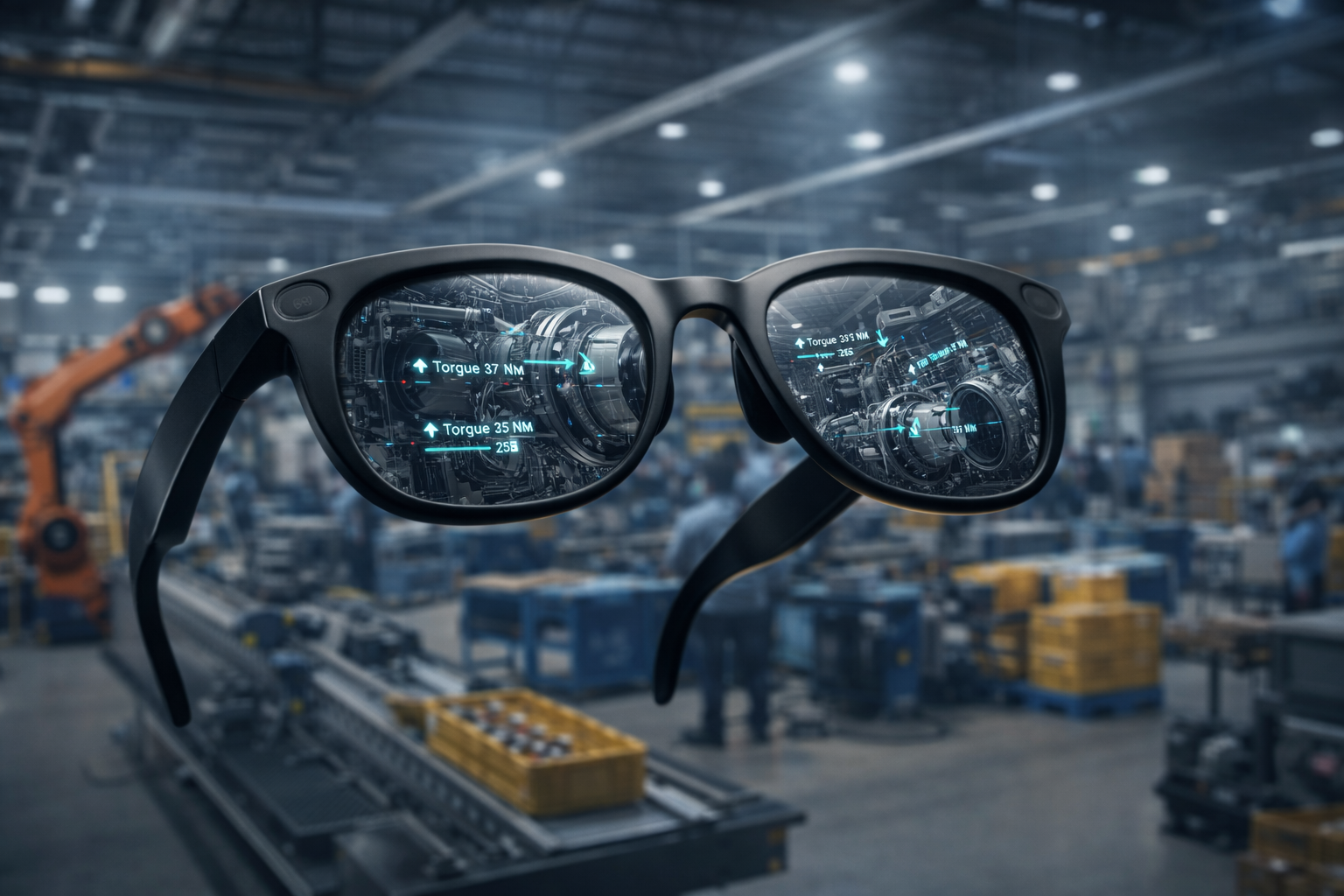
Smart glasses are transforming industrial training in India by enabling hands-free learning, real-time AR guidance, and faster workforce upskilling. Industrial AR smart glasses reduce training time, minimize human error, and improve operational efficiency across manufacturing, warehousing, and safety programs. With applications like remote expert assistance, pick-by-vision, and immersive safety simulations, smart glasses deliver measurable ROI for Indian factories. As Industry 4.0 adoption accelerates, smart glasses are becoming critical tools for scalable, cost-effective industrial training and skill development.
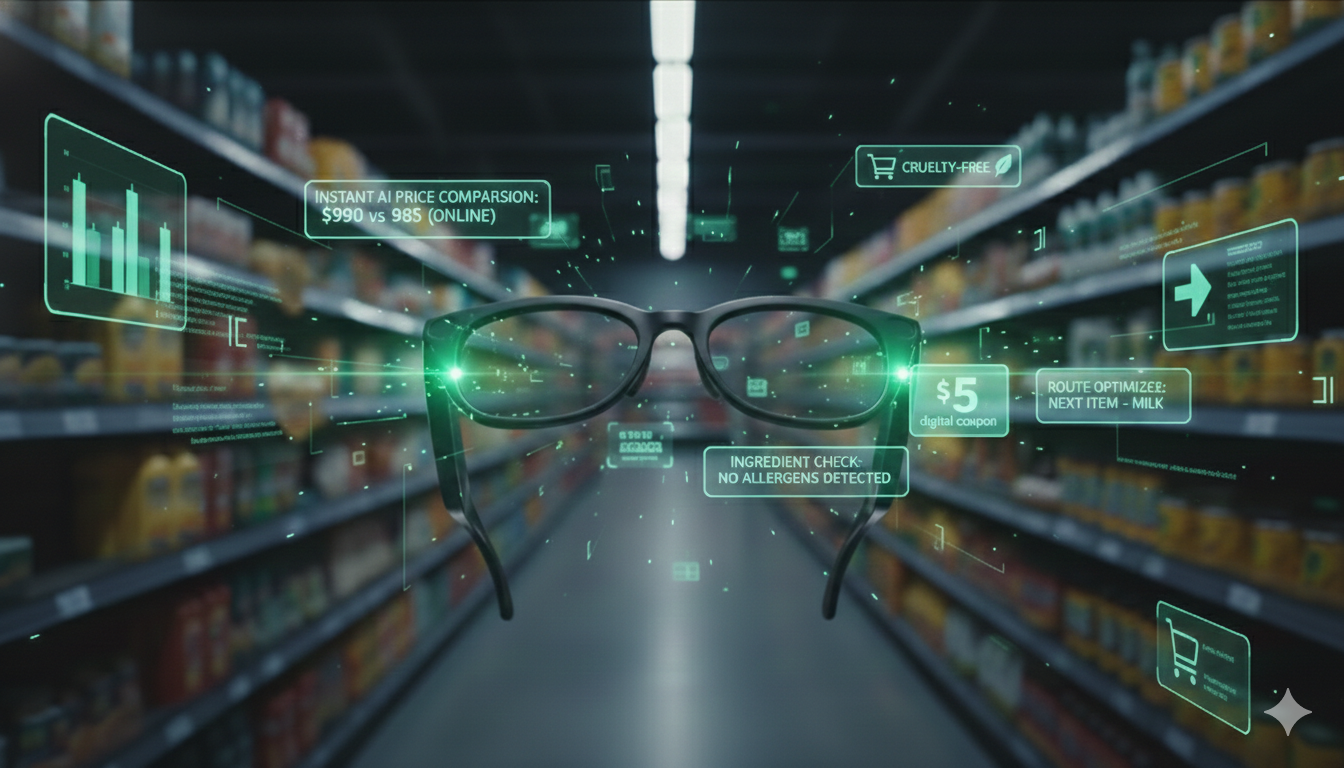
AI-powered smart glasses are transforming retail into Shopping 3.0, offering hands-free, context-aware intelligence. Shoppers gain instant price comparison, personalized nutrition guidance, and ethical product insights while navigating stores with micro-navigation and spatial audio. Impulse marketing declines as AI emphasizes intent-based shopping, digital twin carts streamline checkout, and local products are highlighted. This evolution empowers mindful, data-driven, and efficient consumer experiences, bridging physical aisles with the digital marketplace.
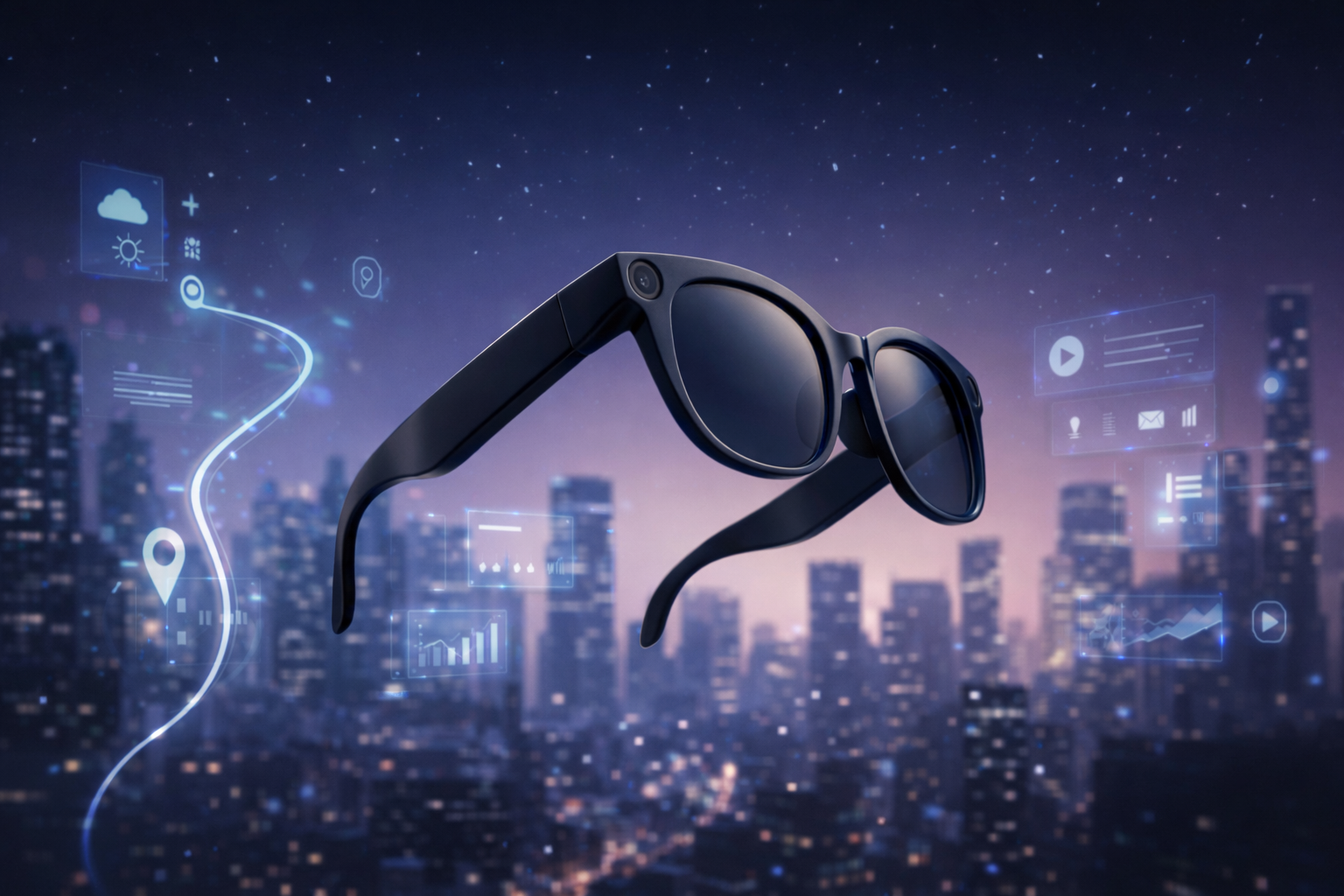
AI smart glasses are emerging as the best solution to smartphone addiction in 2026, enabling ambient computing, screen-free interaction, and digital detox. By replacing immersive smartphone screens with audio-first wearable technology, AI smart glasses improve focus, posture, social connection, and wellbeing - ushering in a post-smartphone future built on calm, presence-driven technology.

In 2026, smart glasses are the ultimate culinary assistant, solving the "sticky screen" dilemma. Using voice-controlled AI, chefs can access recipes and set multiple hands-free timers without cross-contamination. Integrated cameras enable first-person content creation, while multimodal sensors provide real-time nutritional data. This touchless technology transforms kitchens into hygienic, efficient workspaces, allowing home cooks to stay focused and creative.
Read More.png)
Smart glasses are transforming India’s developer ecosystem, enabling hands-free AR experiences, real-time data overlays, gesture controls, and voice interactions. With accessible SDKs, affordable hardware, and institutional support, Indian developers are creating apps for fitness tracking, navigation, translation, gaming, and productivity. Local AI hardware production and government programs like “Make in India” fuel innovation. Challenges remain, including battery life, hardware limits, and UX optimization, but these devices offer enormous potential. Smart glasses mark a new frontier in wearable technology, giving developers opportunities to build India-focused, cutting-edge applications.
Read More
India’s immersive technology market is rapidly expanding, driven by enterprise adoption of VR, AR, MR, and XR across healthcare, manufacturing, retail, education, and corporate training. By 2026, immersive solutions will redefine productivity, workforce training, customer engagement, and digital transformation. Indian business leaders must evaluate XR devices, ROI, data privacy, and scalable deployment strategies to stay competitive.
Read More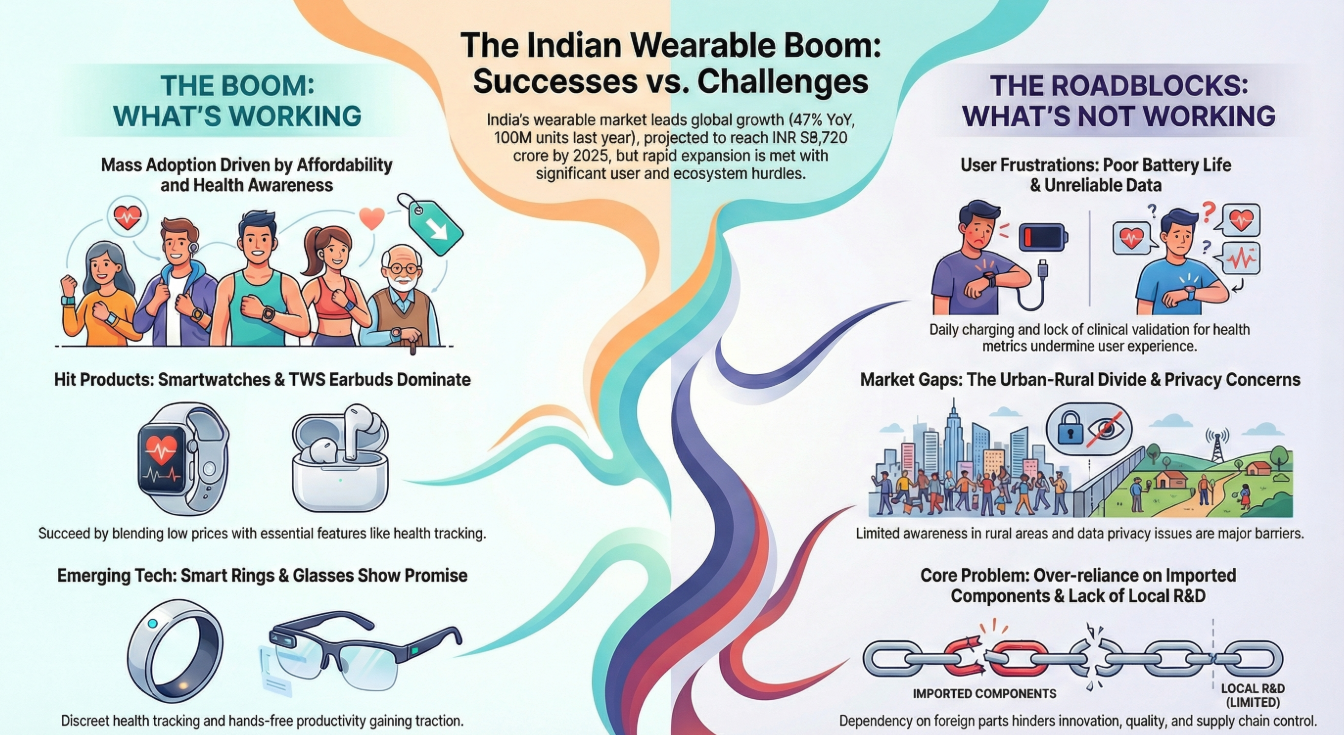
Smartwatches and TWS earbuds have succeeded due to clear everyday utility and low pricing, while smart rings and smart glasses show early promise in health and productivity use cases. However, persistent challenges like battery life, data accuracy, privacy concerns, rural awareness gaps, and reliance on imported components still remain. Addressing deep-tech manufacturing gaps, AI and sensor R&D, and digital literacy will decide whether wearables evolve from novelty gadgets into everyday essential tools.
Read More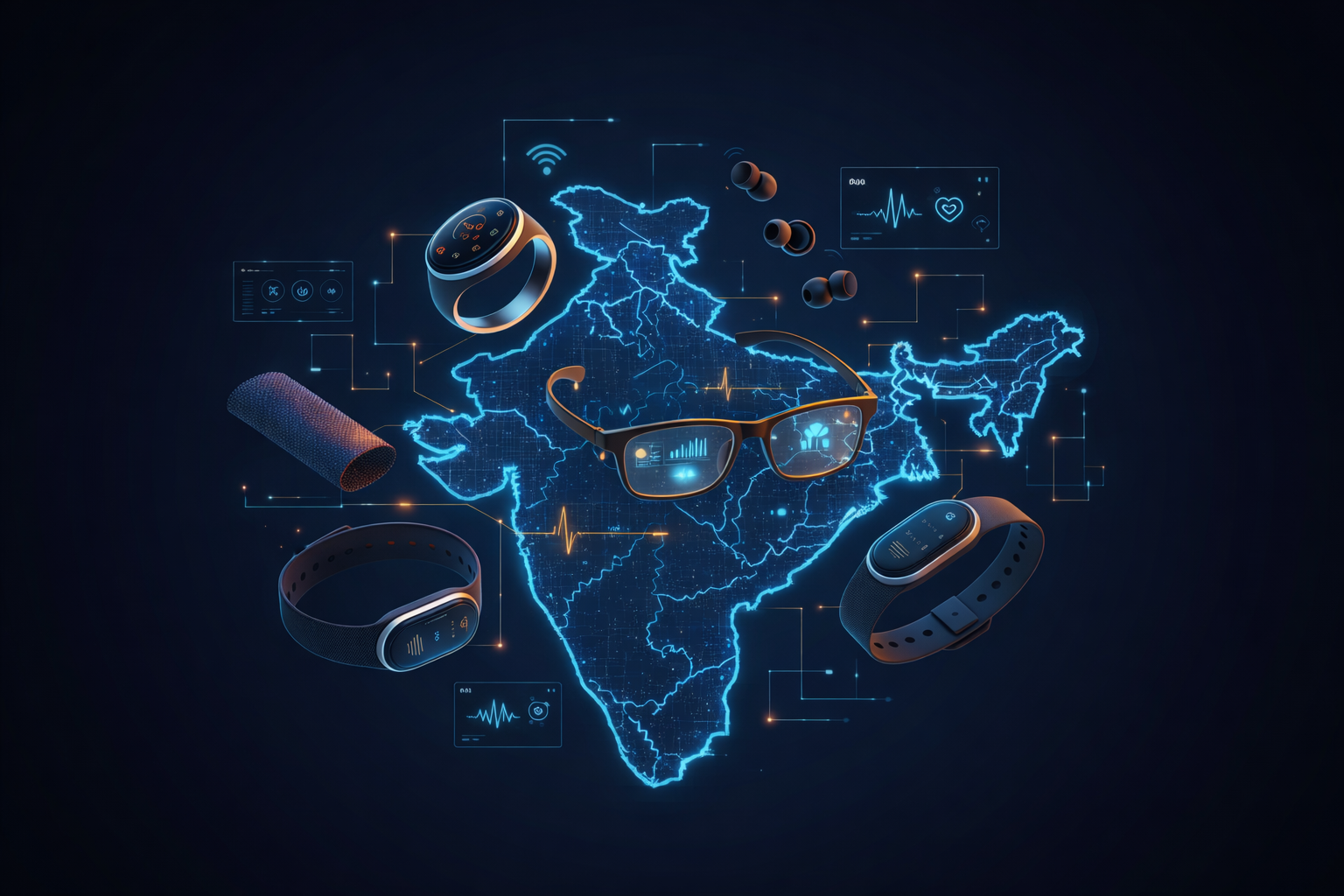
Multimodal AI wearables are transforming Indian business operations through ambient intelligence and real-time biometric analysis. While traditional devices merely track data, these AI-driven tools provide actionable insights, boosting productivity and safety. Despite rapid growth in the Indian market, leaders must navigate significant hurdles like high subscription costs, infrastructure gaps, and a 20% drop in accuracy during multilingual "code-switching" conversations. Successful adoption requires starting with small-scale pilot programs and prioritizing devices that ensure local data compliance and seamless workflow integration.
Read More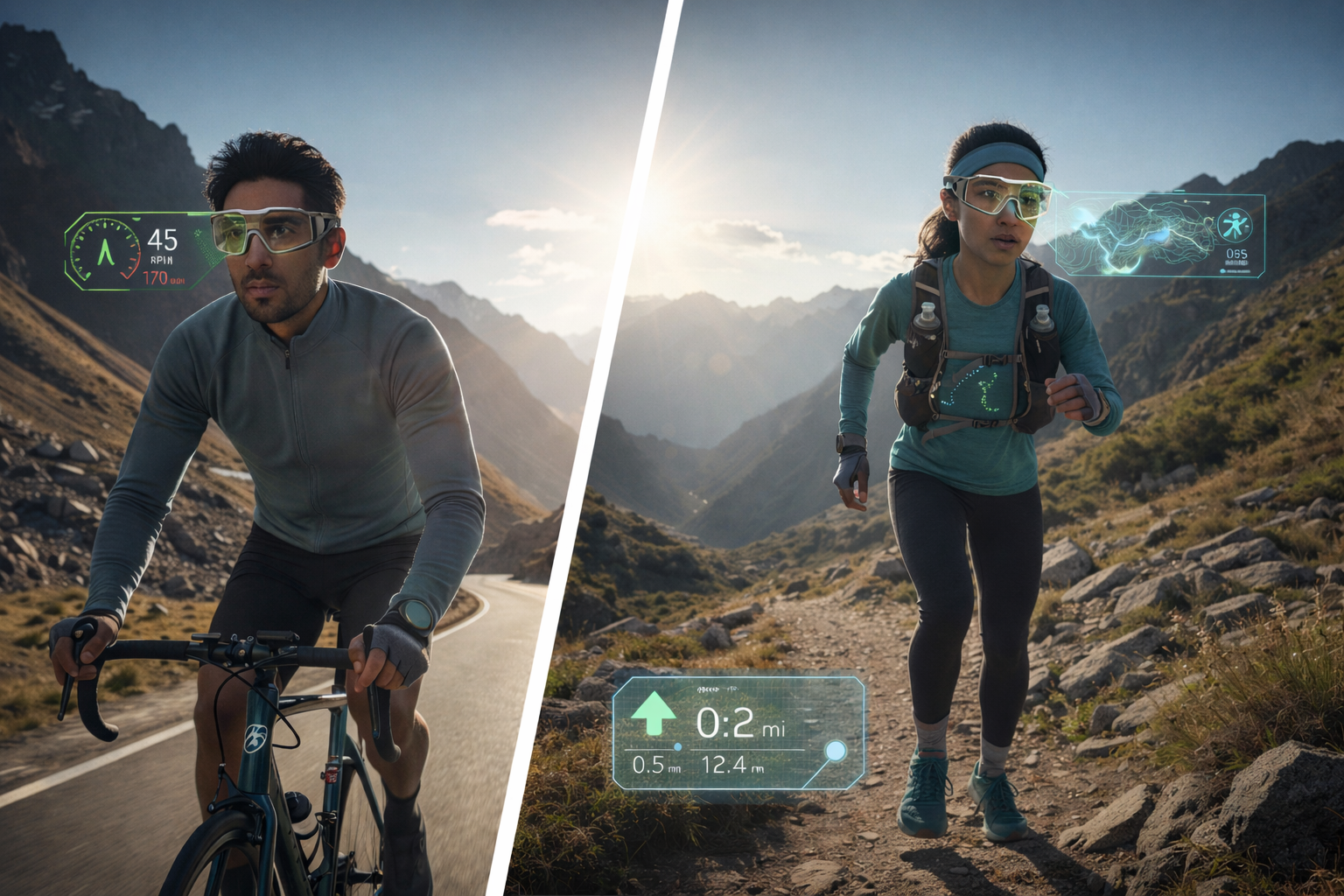
Smart glasses are transforming outdoor athletics by moving performance data from wrists and bike computers to heads-up displays. For runners, cyclists, and hikers, this eliminates dangerous distractions while enabling real-time stats, AR navigation, and voice-first control. Advances like MicroLED waveguide optics, low-latency GPS, and rugged IPX7 builds make them ideal for Indian outdoor conditions. Compared to smartwatches, smart glasses enable active, AI-driven coaching and safer, more focused training—making them a performance essential in 2026.
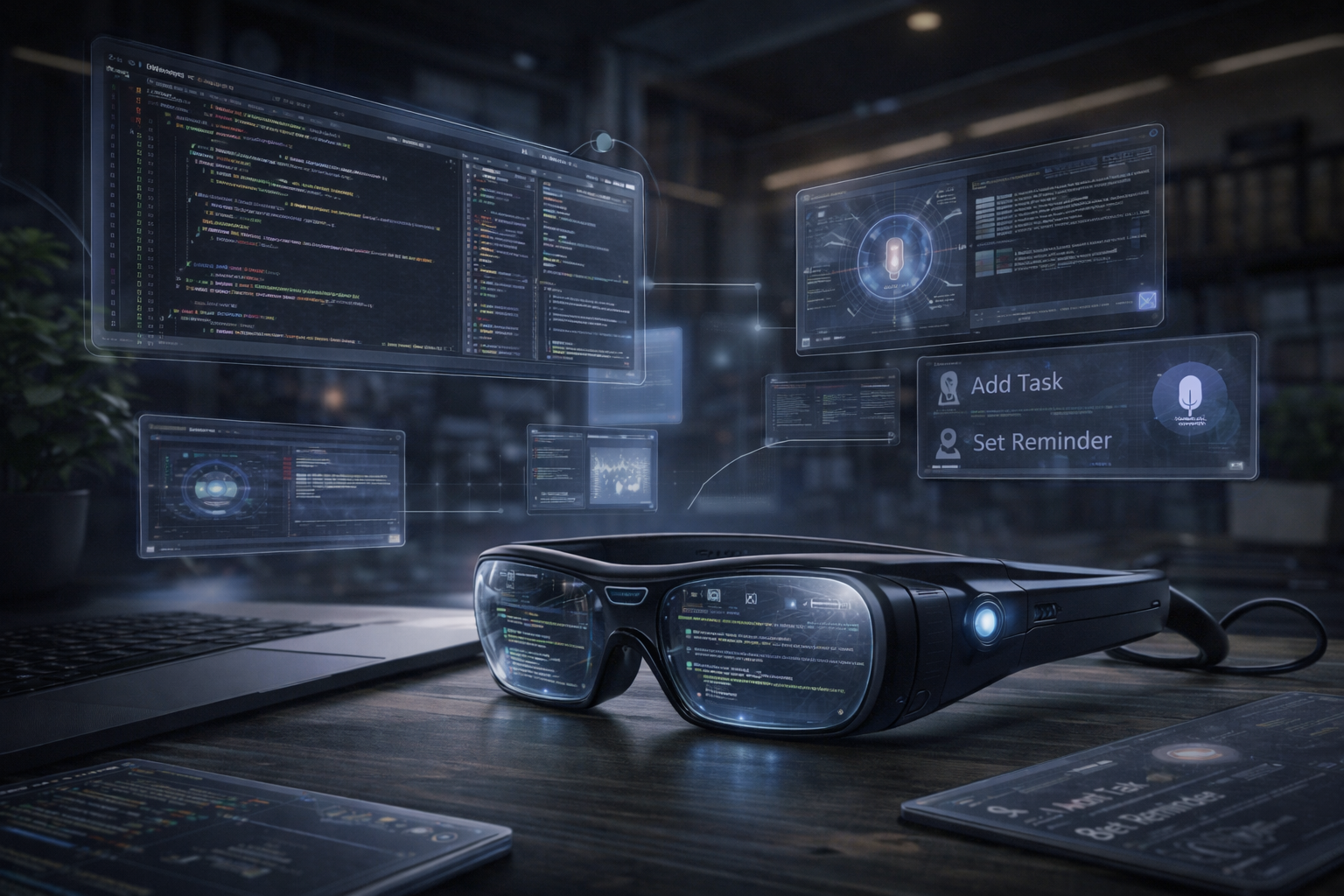
Smart glasses are emerging as a practical productivity tool for developers, reducing context switching caused by constant screen hopping. By enabling spatial computing and heads-up workflows, they bring code, documentation, logs, and tasks into a developer’s field of view. Use cases include virtual monitors, AR documentation overlays, voice-first task management, and POV debugging. Building for this “third interface” requires glanceable UI, low latency hardware, strong SDKs, and long-duration comfort—positioning wearables as a core part of the future developer stack.
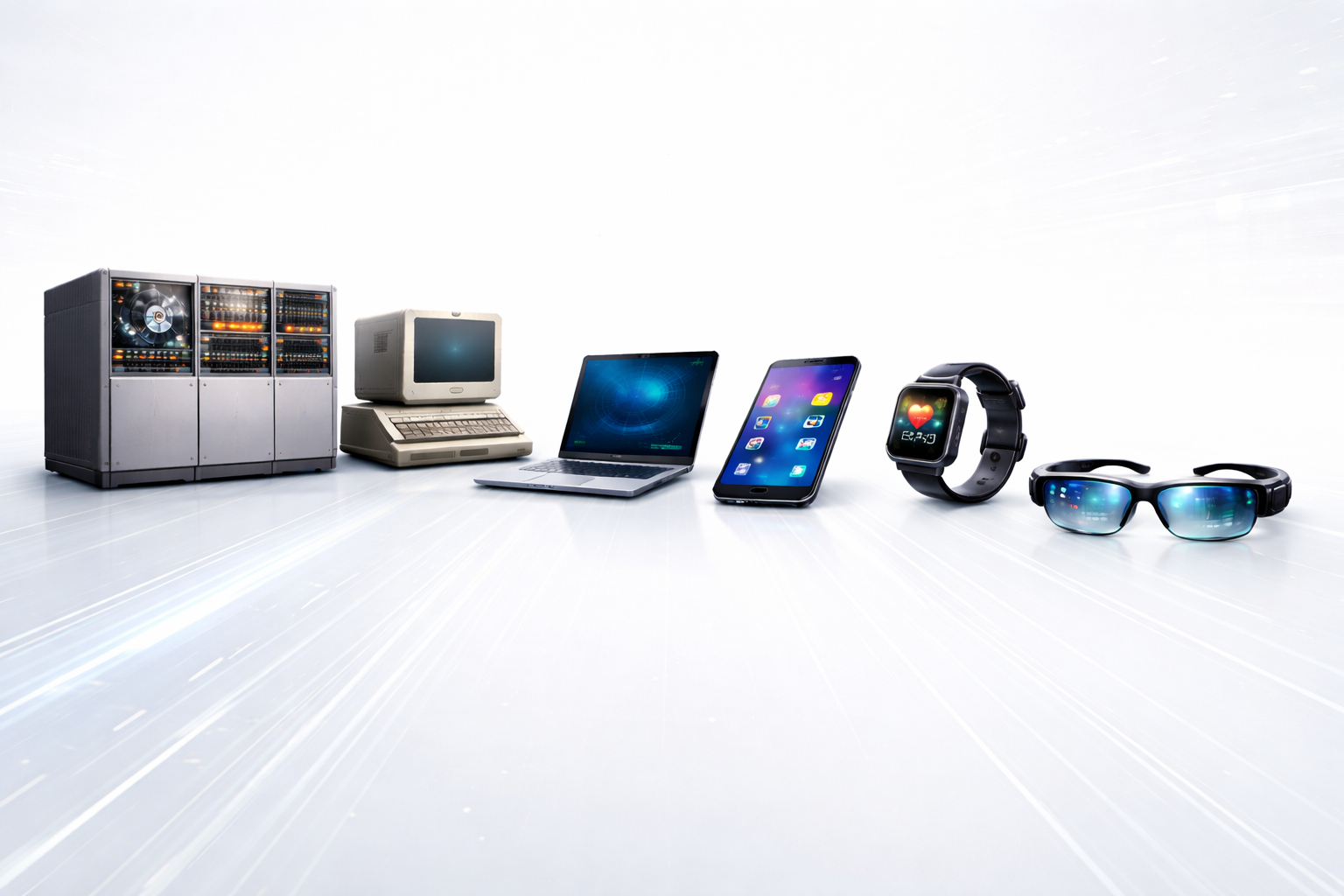
Generational computing traces the evolution of technology from room-sized mainframes to personal computers, smartphones, and now wearable devices like smart glasses. Each shift made computing more accessible, mobile, and integrated into daily life. In the post-smartphone era, wearables enable hands-free interaction, real-time data, and continuous monitoring. With rapid growth in India’s wearable market, smart glasses and AI-powered wearables signal the next major leap toward seamless, human-centric computing.
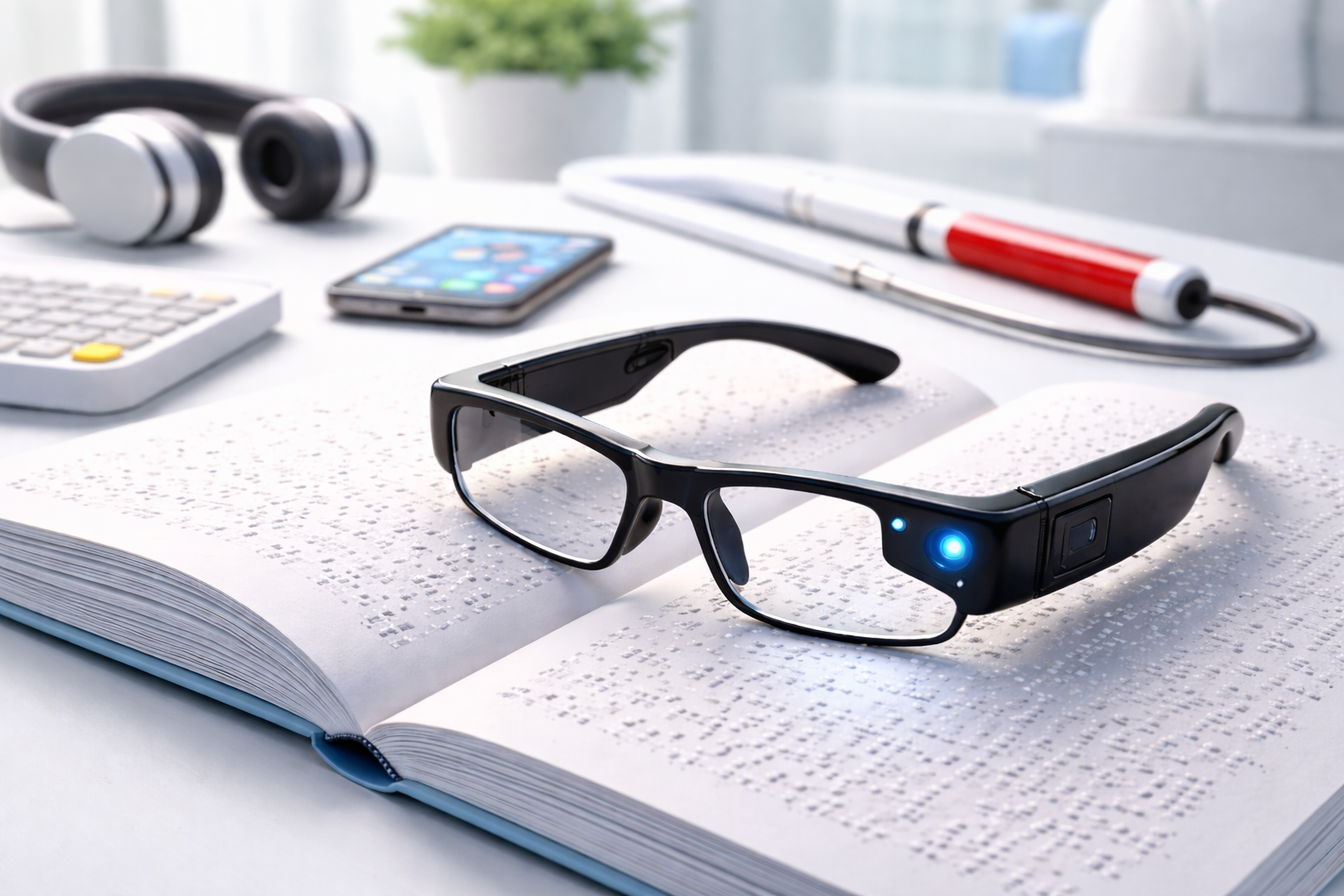
Smart glasses are transforming life for visually impaired people by enabling real-time reading, navigation, object detection, and social interaction through AI-powered audio feedback. Affordable devices like India’s Smart Vision Glasses 2.0 combine cameras, OCR, GPS, facial recognition, and multilingual support to restore independence at a fraction of Western costs. Proven by large-scale user studies and supported by NGO-led training and distribution, these smart glasses significantly improve mobility, accessibility, and dignity—marking a major step toward inclusive, assistive wearable technology.
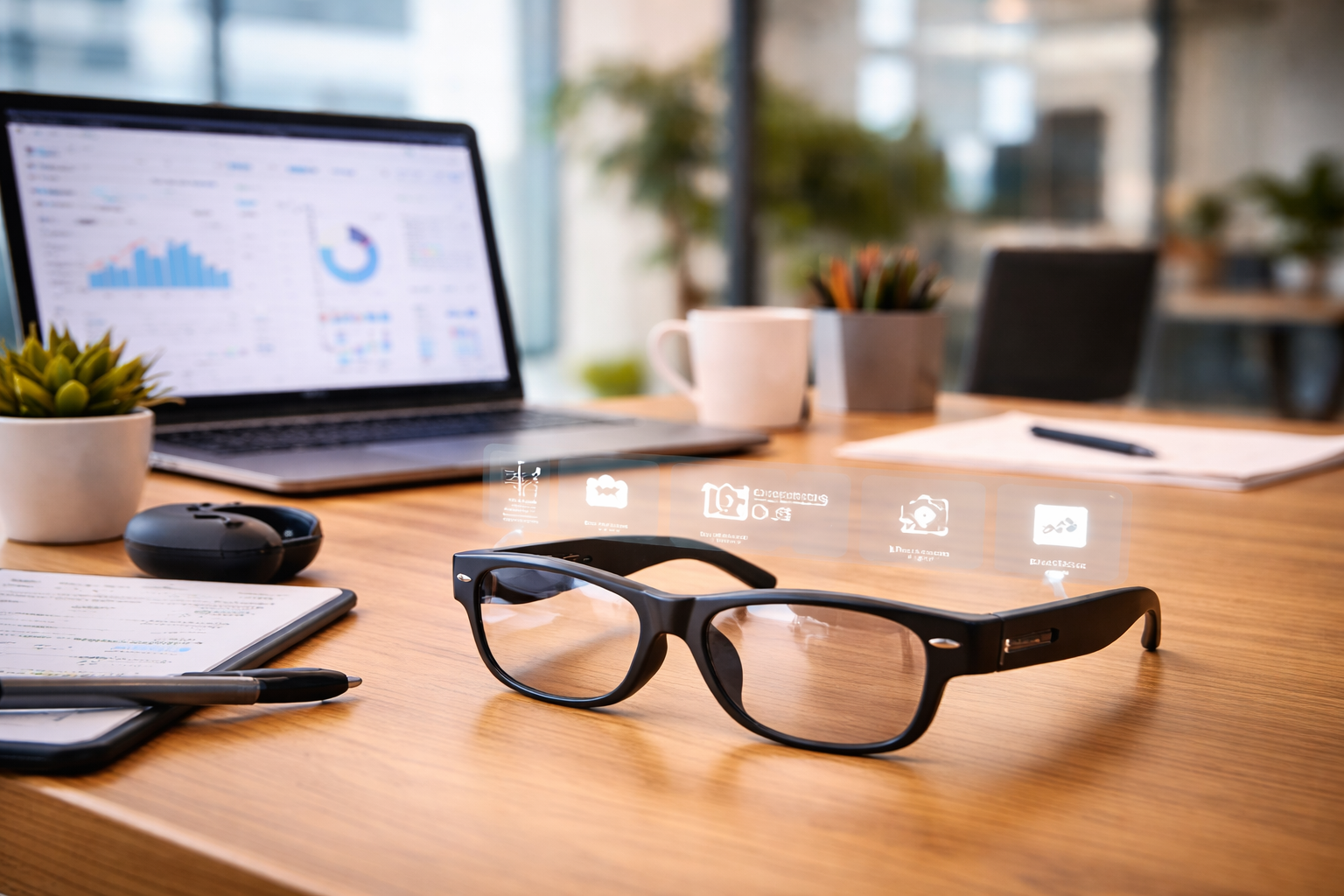
AI smart glasses are transforming productivity in 2026 by enabling hands-free, context-aware work. These smart glasses with camera and optional display deliver real-time instructions, voice assistance, and visual prompts without breaking focus. For professionals in India, smart glasses enhance field work, meetings, and operations by reducing screen dependence. Designed for human-centered workflows, modern ai glasses act as ambient productivity tools—not phone replacements.
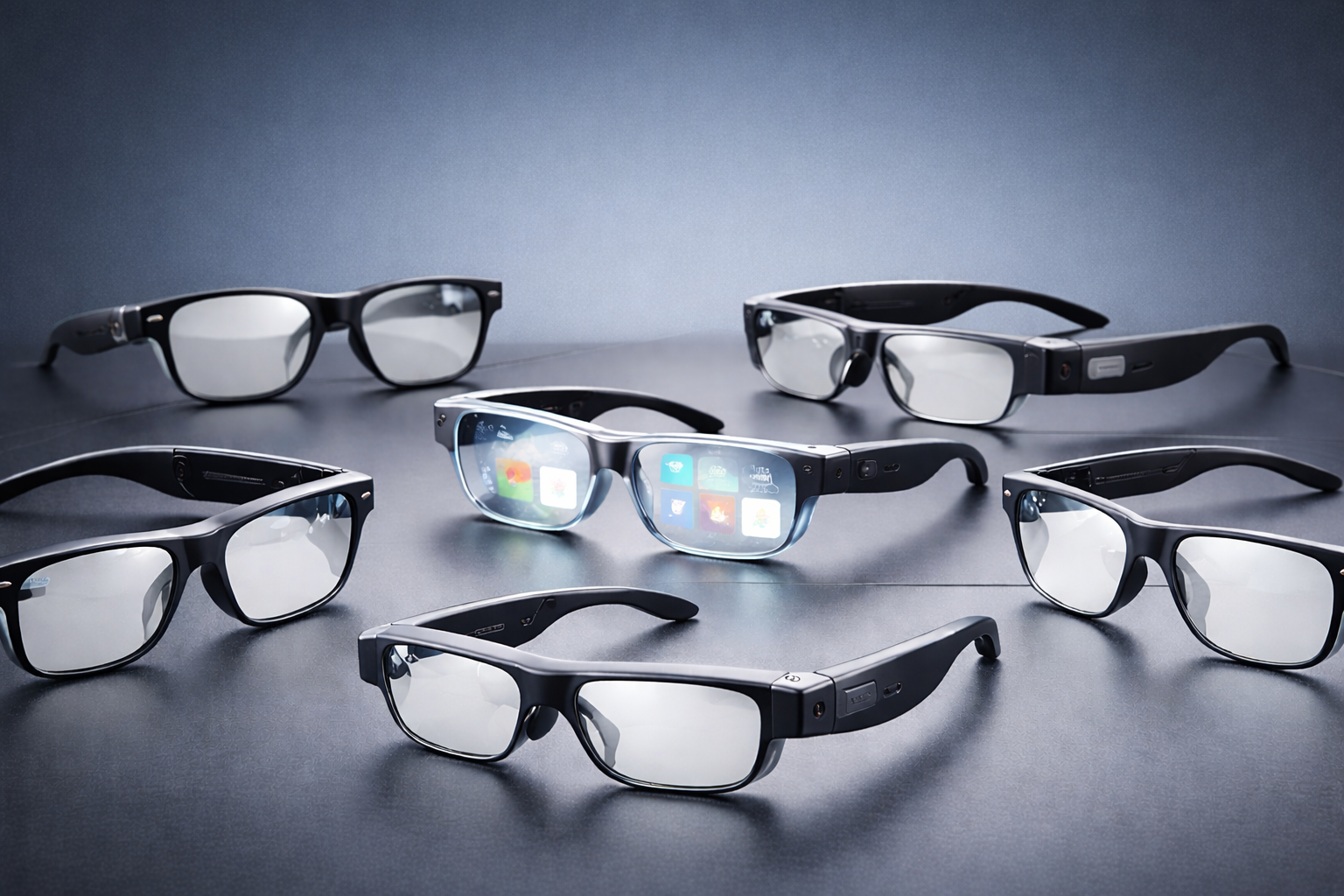
In 2026, smart glasses are practical AI wearables combining cameras, displays, and AI assistants. Camera-first smart glasses offer hands-free capture, voice queries, and notifications, while display-based AI smart glasses provide navigation overlays, real-time translation, and HUD-style information. Key benchmarks include Xiaomi smart glasses, Jio smart glasses, Ray-Ban Meta, Snap Spectacles, and Apple Glasses. Prices in India range from ₹25,000 for entry-level to ₹70,000+ for premium models. For creators, travelers, and tech enthusiasts, the best AI smart glasses balance comfort, camera performance, and seamless AI features without replacing your phone.
Read More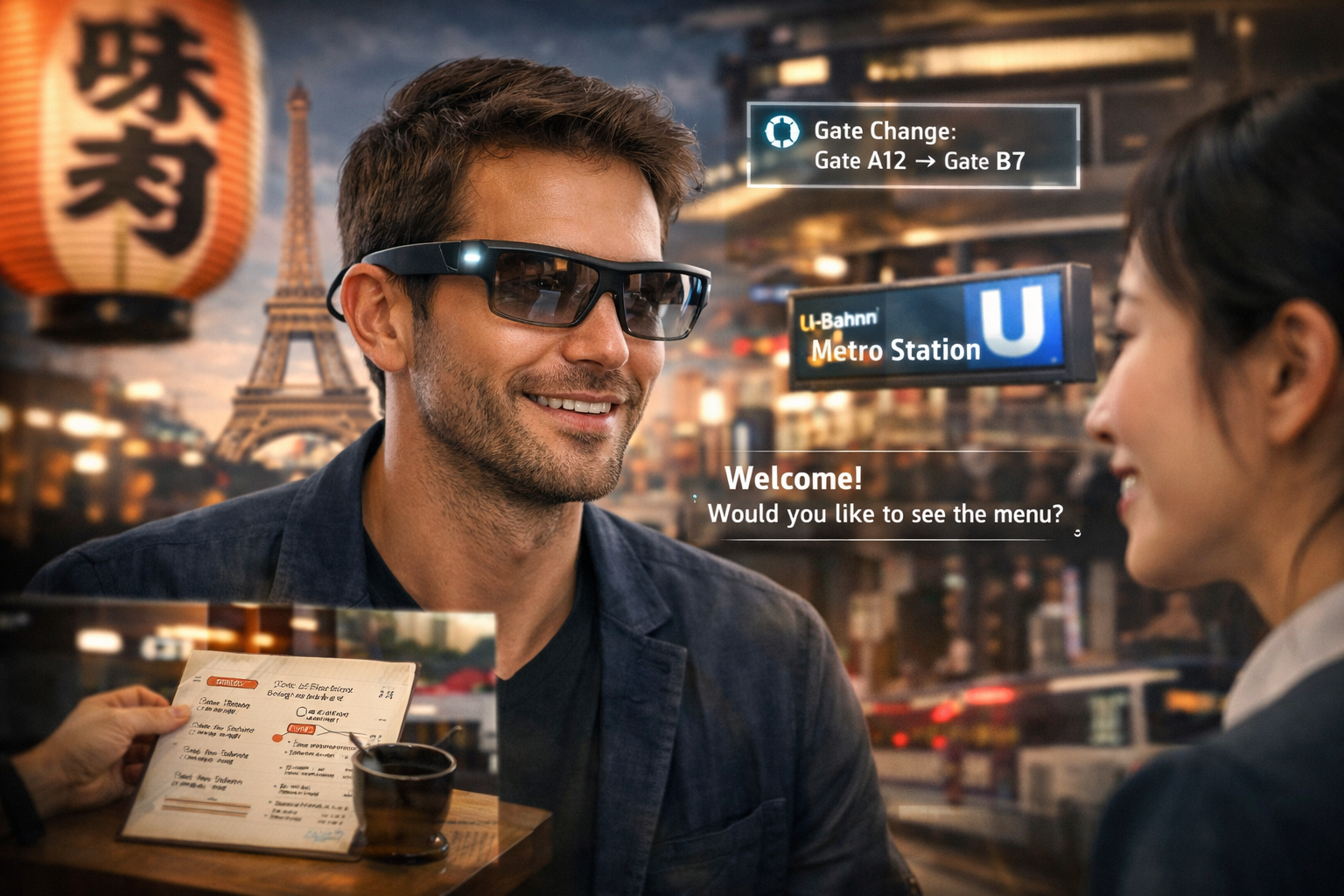
Real-time translation smart glasses mark the iPhone moment for travel in 2026, replacing phone-based apps with hands-free, eyes-up assistance. Using AI cameras, multimodal understanding, and AR waveguide displays, these wearables translate signs, menus, and conversations instantly as visual subtitles. By reducing cognitive load versus audio translation, travelers stay present and engaged. Privacy-first edge AI ensures DPDP-compliant data processing, while standalone or tethered designs make smart glasses the new universal translator for global travel across cultures, airports, cities, and everyday human interactions worldwide seamlessly securely intuitively.
Read More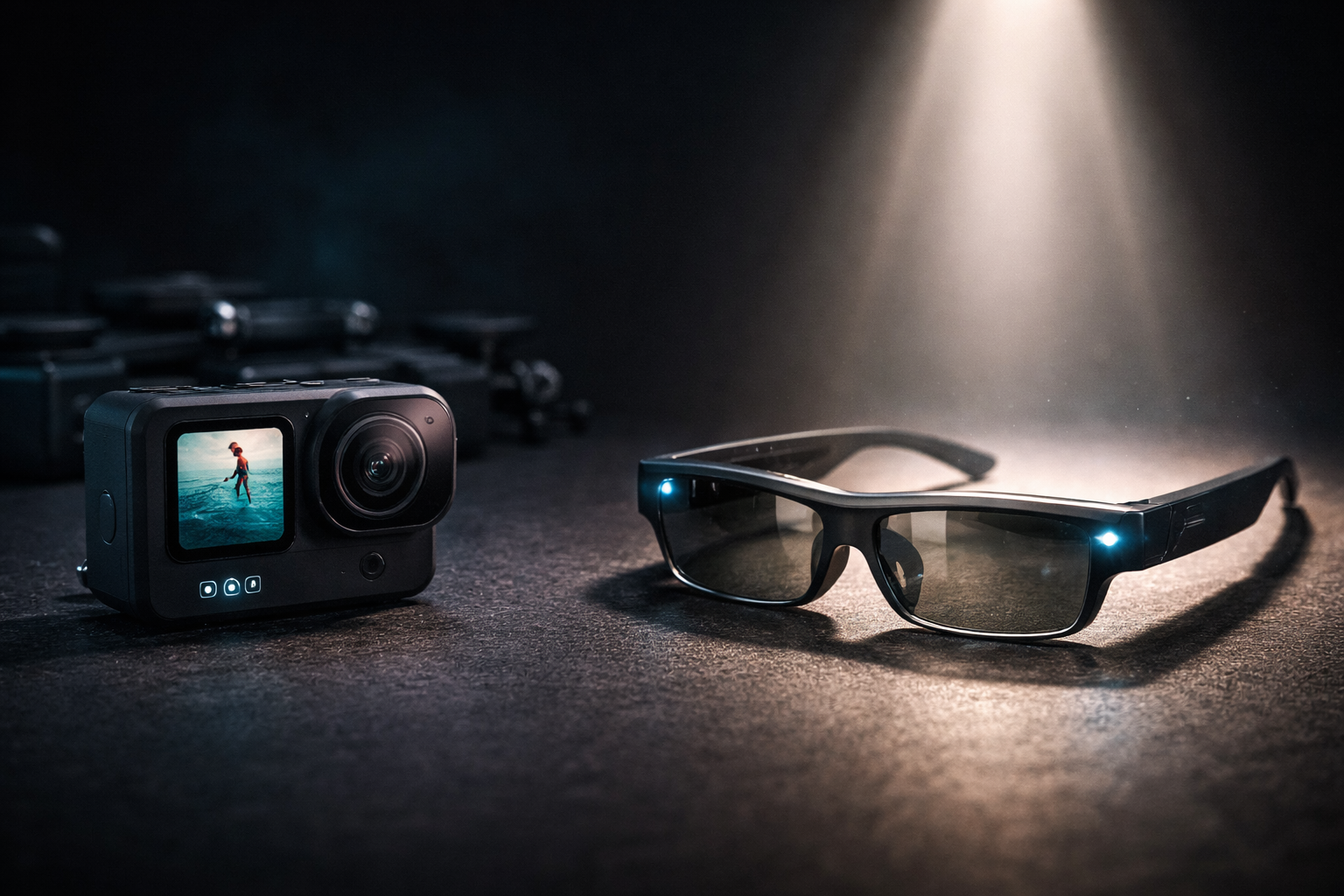
Creators in 2026 are abandoning GoPros for AI smart glasses that deliver true first-person storytelling without bulk or friction. Hands-free, eye-level recording preserves creative flow while AI-powered cameras enable stabilized 4K video and automated highlight capture. Beamforming microphones and open-ear audio solve professional sound challenges. Compared to action cameras, lightweight smart glasses win for lifestyle content, social acceptance, and livestreaming, while privacy-first, secure wearable vlogging for modern creators, urban storytelling, and real-time audience connection across platforms, cultures, and everyday life.
Read More
5G and edge computing are transforming intelligent wearables and XR devices in India, enabling ultra-low latency, high-speed connectivity, and real-time processing for AR/VR experiences. By offloading compute to edge servers, smart glasses, AR headsets, and wearable devices deliver immersive, responsive interactions without heavy onboard hardware. This revolution supports industrial, healthcare, and gaming applications while enhancing AI-driven functionalities. Explore how 5G networks, edge infrastructure, and XR technologies converge to accelerate next-generation wearable innovation across India’s emerging tech ecosystem.
Read More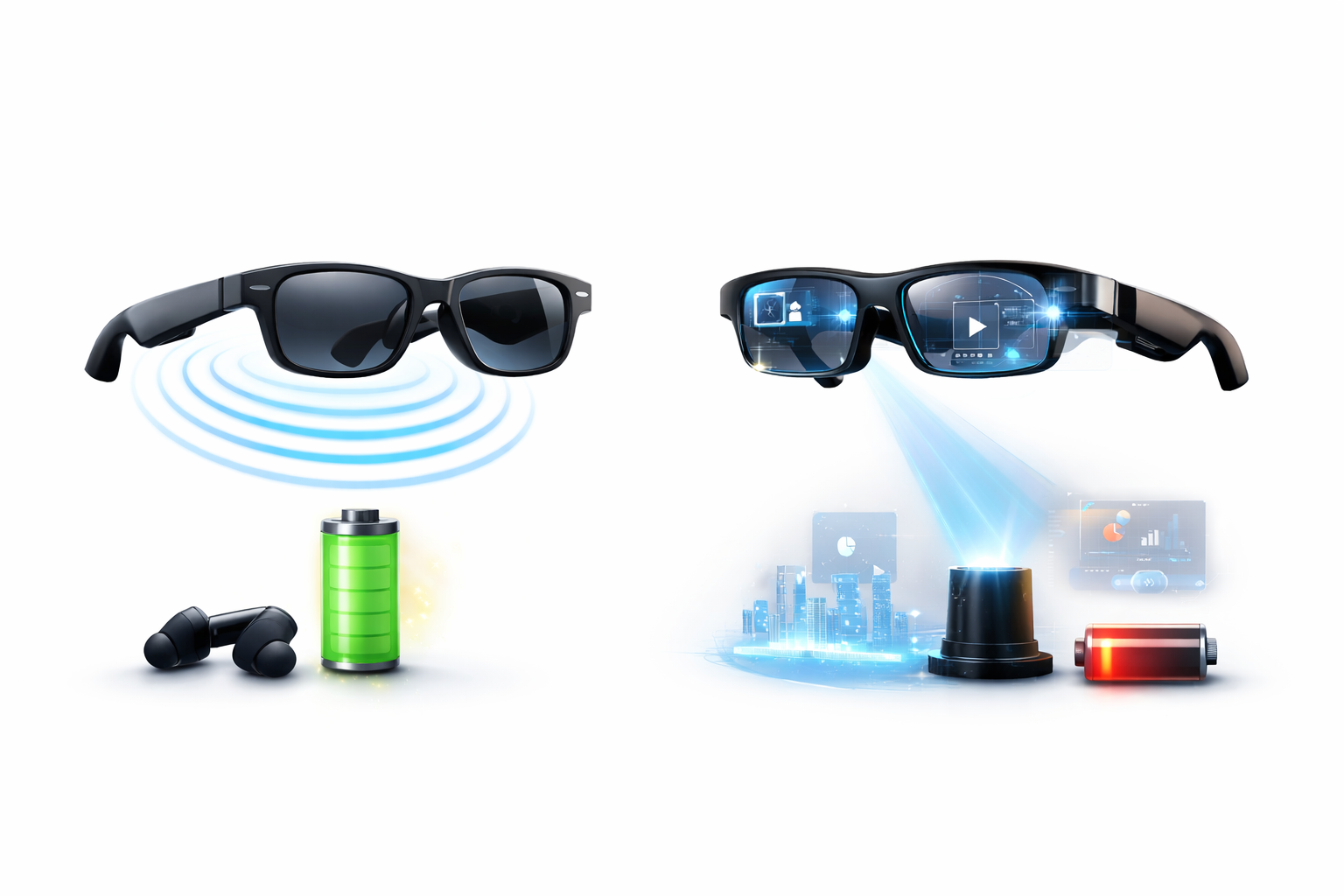
Smart glasses come in two main types: audio-only and display-equipped. Audio-only models are affordable, lightweight, and offer long battery life, making them ideal for music, calls, and everyday use. Display smart glasses provide visual overlays using waveguide technology, enabling hands-free access to information but at a higher cost, heavier design, and shorter battery life. Choosing between them depends on budget, comfort, and whether you need simple audio functionality or immersive visual data for professional use.

AI wearable privacy is becoming critical as smart wearables collect continuous biometric data for health and productivity. This guide explains AI-specific security threats including adversarial attacks, data poisoning, model theft, and membership inference risks. It outlines best practices such as secure AI infrastructure, encryption, zero-trust architecture, role-based access control, real-time anomaly detection, and SIEM monitoring. The blog also covers India’s DPDP Act, data localisation, cross-border data transfers, post-quantum cryptography, and privacy-by-design strategies to future-proof wearable data protection for enterprises, healthcare providers, developers, and privacy-conscious consumers.
Read More
Cognitive augmentation technology combines artificial intelligence and cognitive science to enhance human intelligence, memory, attention, and decision-making. Through brain-computer interfaces, neurostimulation, wearable AI, and natural language processing, AI-powered systems amplify human capabilities rather than replace them. These innovations support mental health, neurodiverse learning, and productivity while raising ethical concerns around privacy, access, and AI dependence. As personalized, privacy-preserving AI evolves, cognitive augmentation will redefine human potential, intelligence amplification, and human-AI collaboration globally.
Read More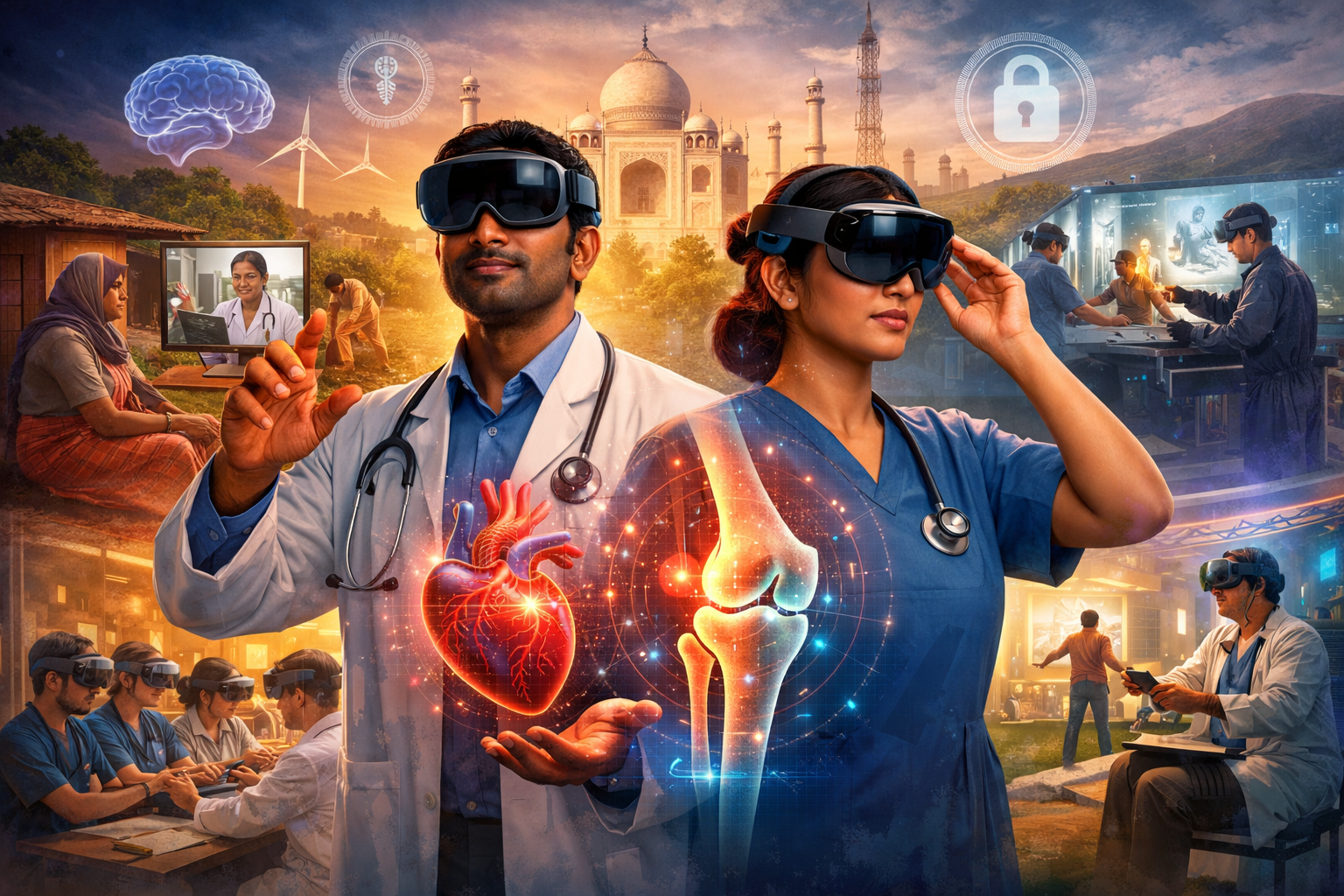
India’s healthcare system faces critical shortages, but immersive technology is reshaping care delivery. AR and VR in Indian healthcare enhance medical training, surgical precision, rehabilitation, and mental health treatment. Virtual reality simulations improve learning retention, while extended reality enables remote diagnosis, telemedicine, and rural access. Despite challenges like high costs, data security, and integration issues, scalable immersive healthcare solutions show strong potential. With India’s AR VR market growing rapidly, medical professionals must adopt ethical, cost-effective immersive technology to bridge urban-rural gaps nationwide patient care outcomes.
Read More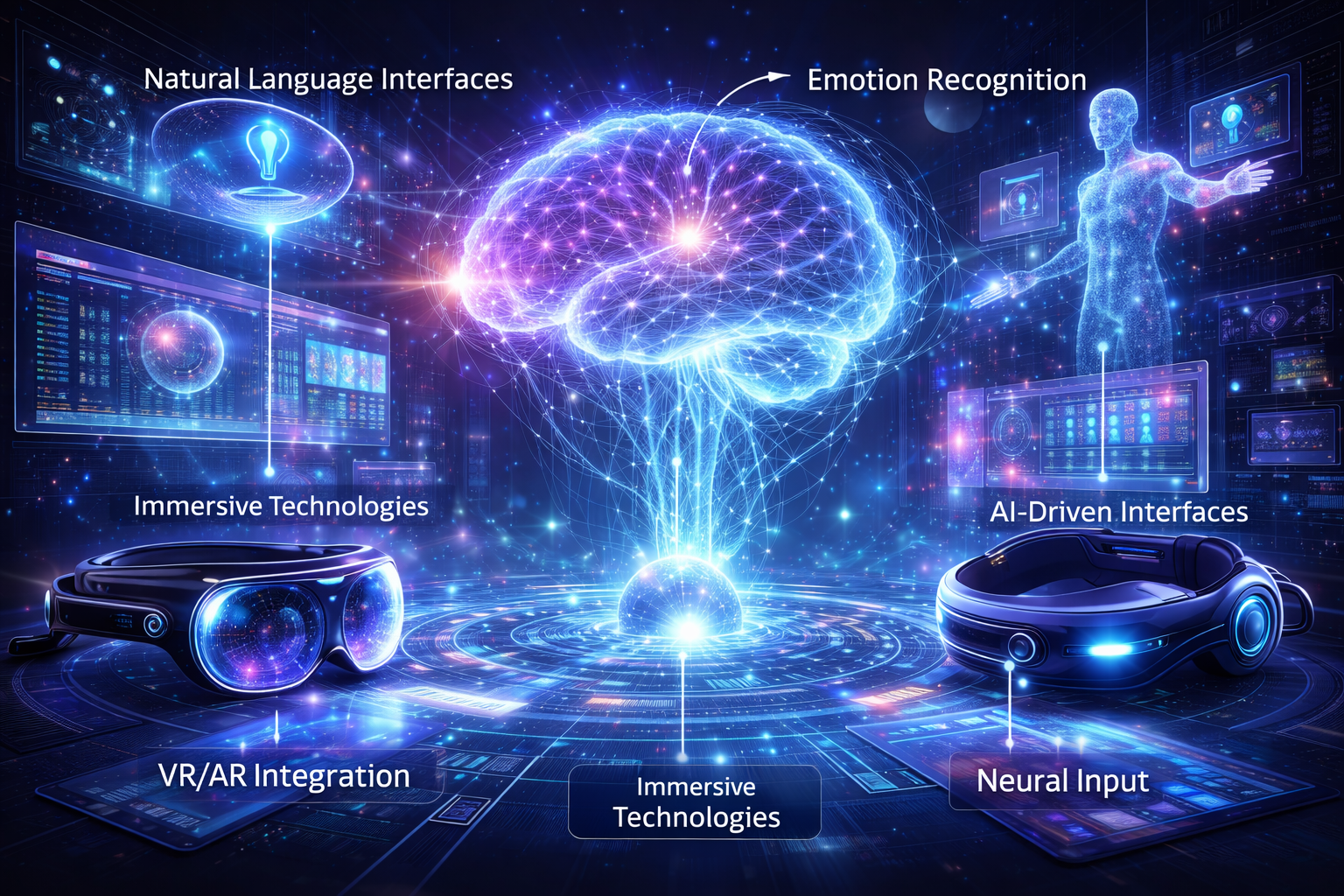
Human–computer interaction is evolving from touch-based inputs to intelligent, immersive, and thought-driven systems. By 2030, AI-driven interfaces will understand language, context, and emotion, while AR and VR will replace flat screens with experiential environments. Brain–computer interfaces will enable direct neural input, transforming accessibility, gaming, and productivity. As these technologies mature, ethical challenges around bias, privacy, and transparency become critical. The future of HCI lies in human-centric systems that respond to intent, emotion, and cognition—not just commands.
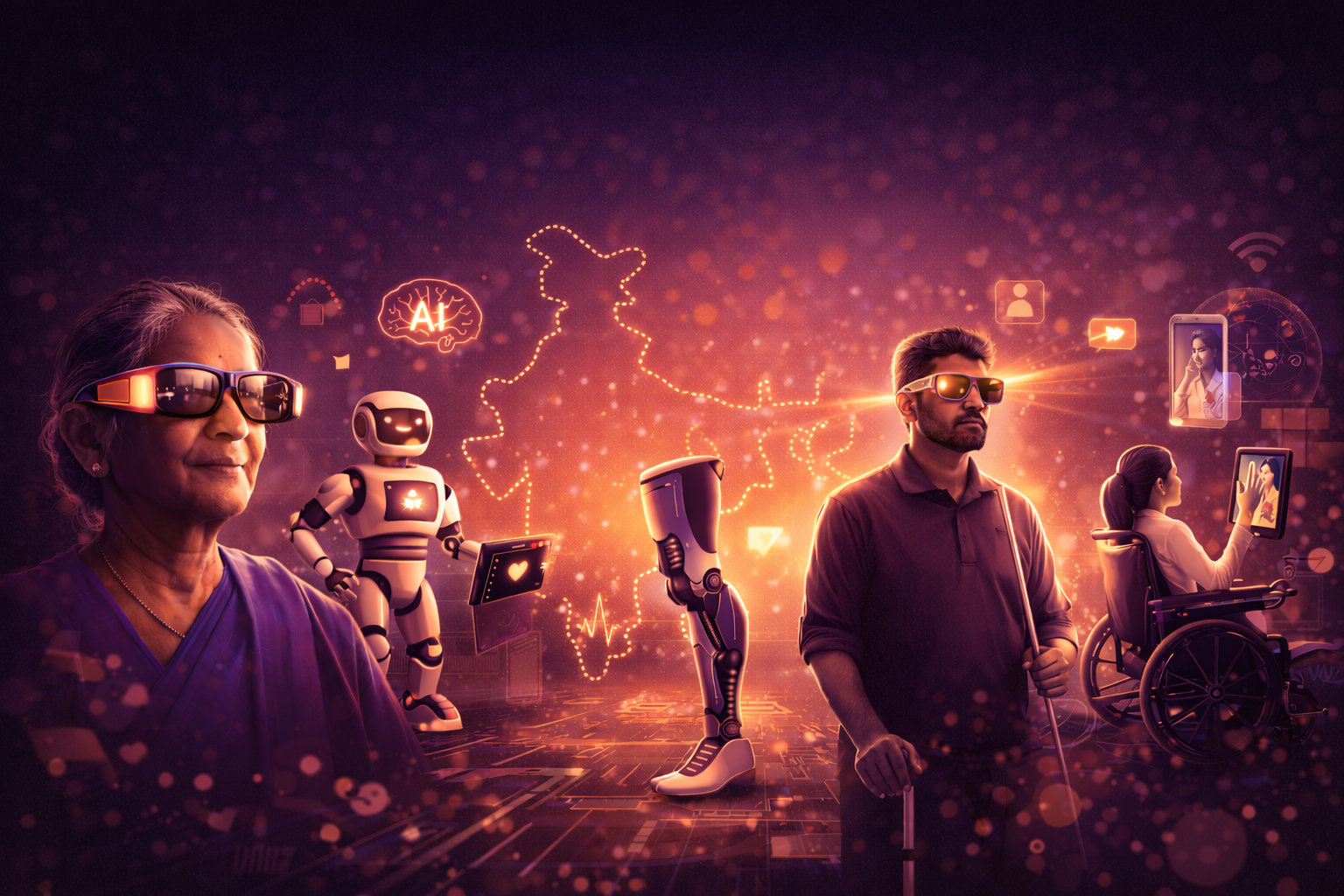
Assistive technology in India is entering a pivotal phase in 2025, with innovations poised to improve independence for nearly 30 million people with disabilities and a rapidly ageing population. From AI-powered speech tools and affordable smart vision glasses to tele-rehabilitation, cognitive wearables, and inclusive education platforms, technology is becoming more accessible and locally relevant. Strong policy support and Make-in-India efforts drive momentum, but challenges remain around affordability, awareness, skills shortages, and fragmented supply chains. Overcoming these barriers could unlock transformative social impact.
Read More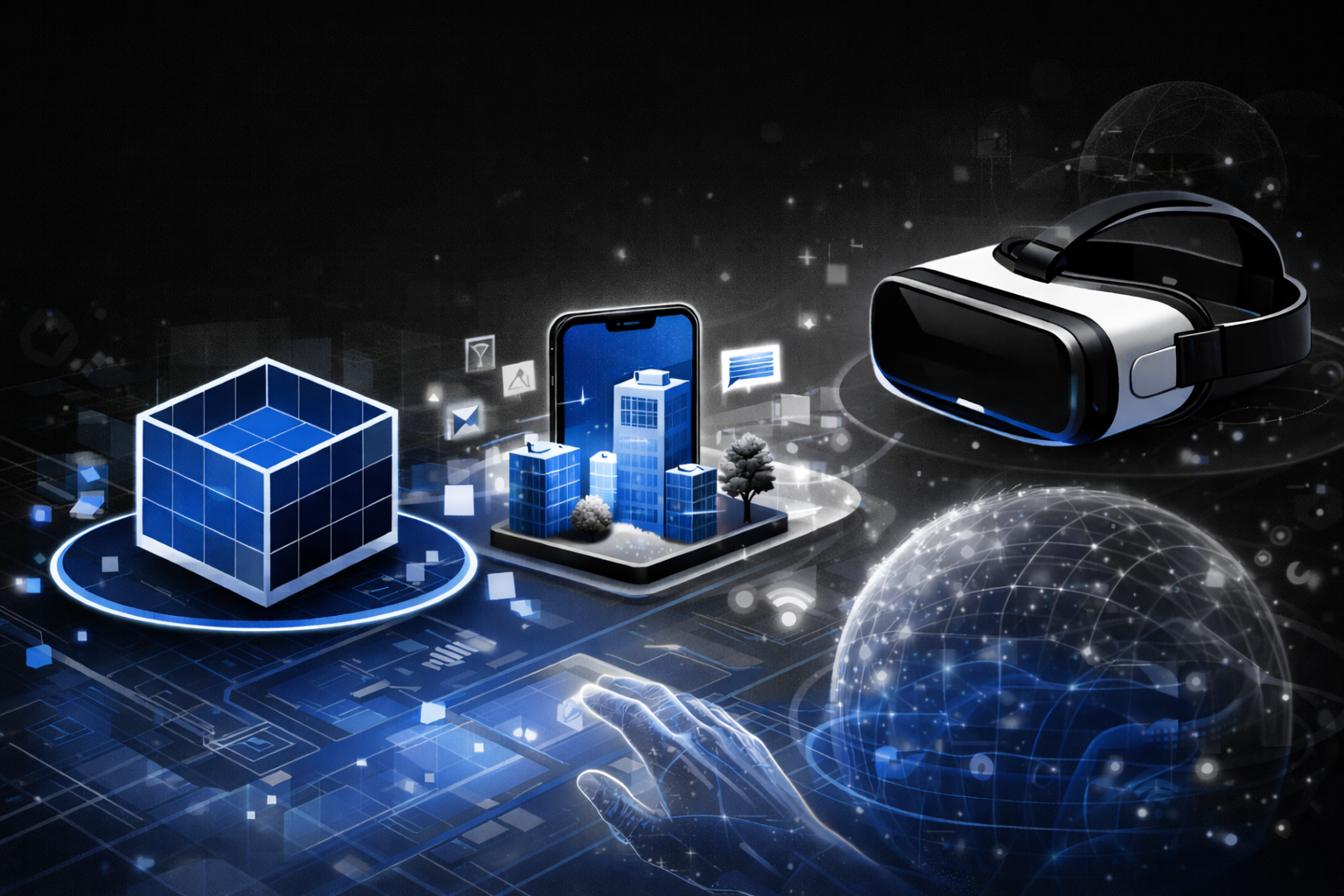
Spatial computing represents a broader shift beyond VR and AR, enabling computers to understand and interact with 3D space. While AR overlays digital content onto the real world and VR fully immerses users in virtual environments, spatial computing forms the technical foundation for XR, blending physical and digital realities dynamically. Powered by computer vision, LiDAR, and AI, it enables context-aware interactions across industries like retail, healthcare, education, and manufacturing. As these technologies converge, early adopters gain strategic advantages despite cost and skill challenges.
Read More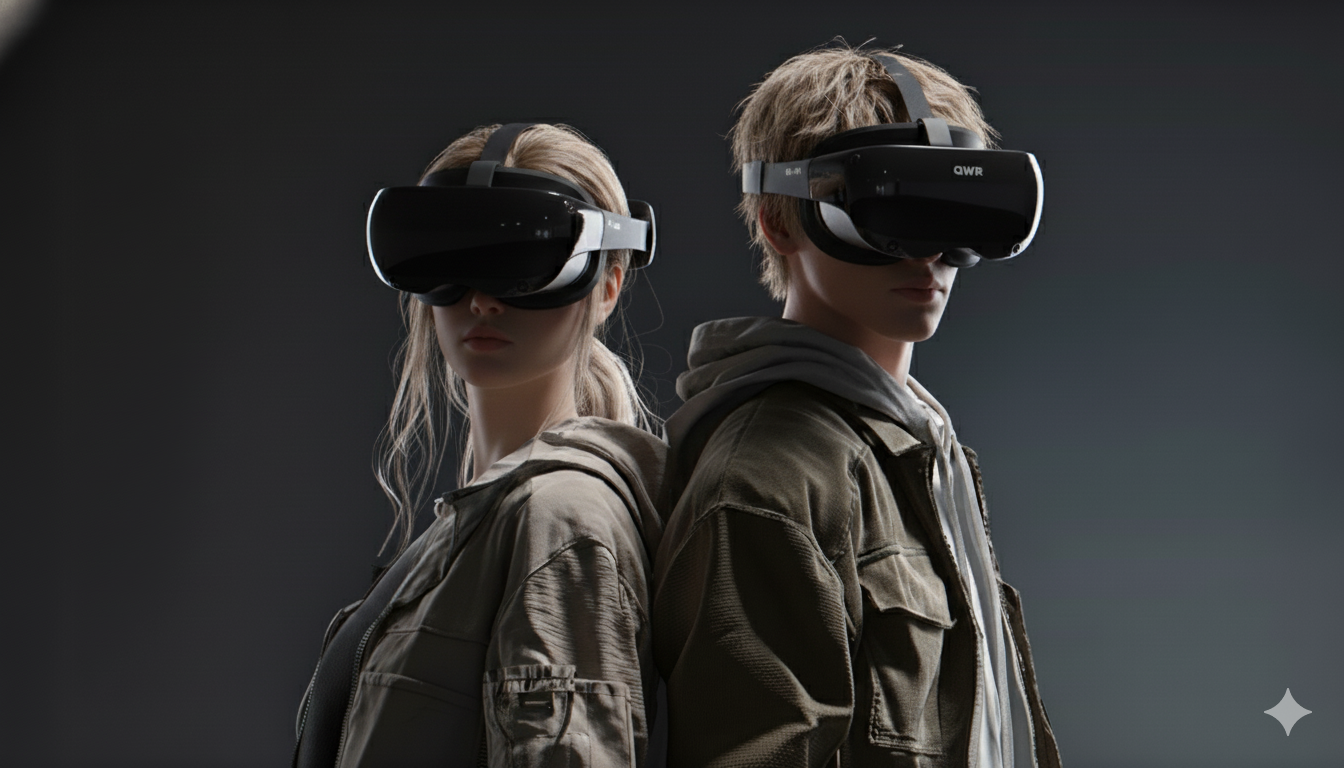
VR is rapidly transforming education and training in India by turning passive learning into immersive, practical experiences. Adoption in high schools rose from 7% in 2021 to 38% in 2024, supported by Digital India initiatives and localized, curriculum-aligned content in Indian languages. VR improves engagement, retention, and accessibility, supports students with disabilities, and bridges urban–rural gaps through cost-effective virtual labs. Successful implementation requires careful planning, teacher training, safety guidelines, and pilot programs to ensure meaningful, scalable impact across institutions nationwide over the long term sustainably.
Read More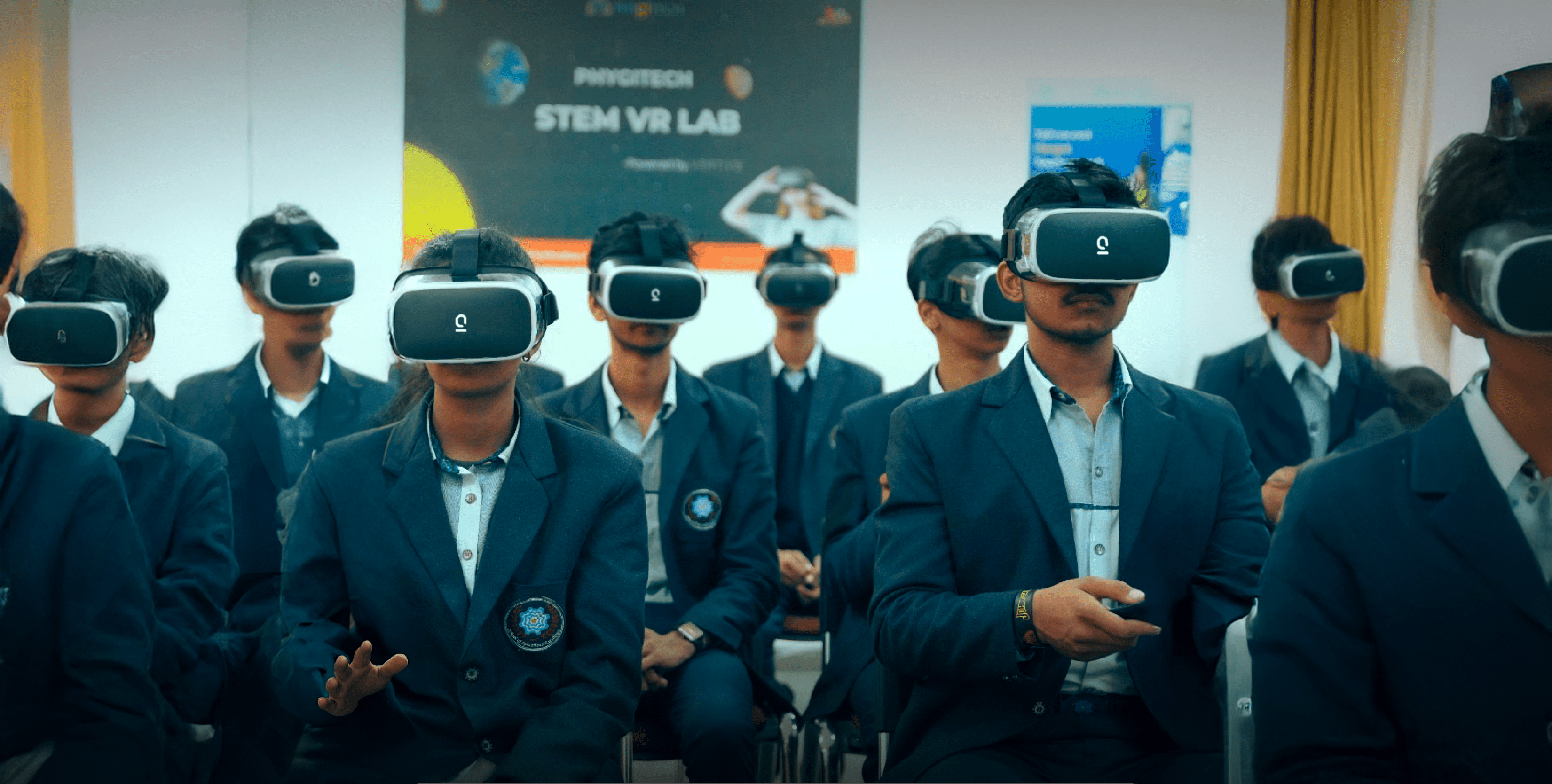
Virtual Reality is reshaping education by turning lessons into immersive, hands-on experiences. From exploring ancient civilizations to conducting virtual science experiments, VR makes learning engaging, memorable, and accessible. It boosts retention, supports personalized learning, and provides safe environments for experimentation. Beyond students, teachers benefit through realistic training simulations. As costs drop and content expands, VR is set to become a classroom essential - bridging global learning gaps and redefining how knowledge is experienced, understood, and shared.
Read More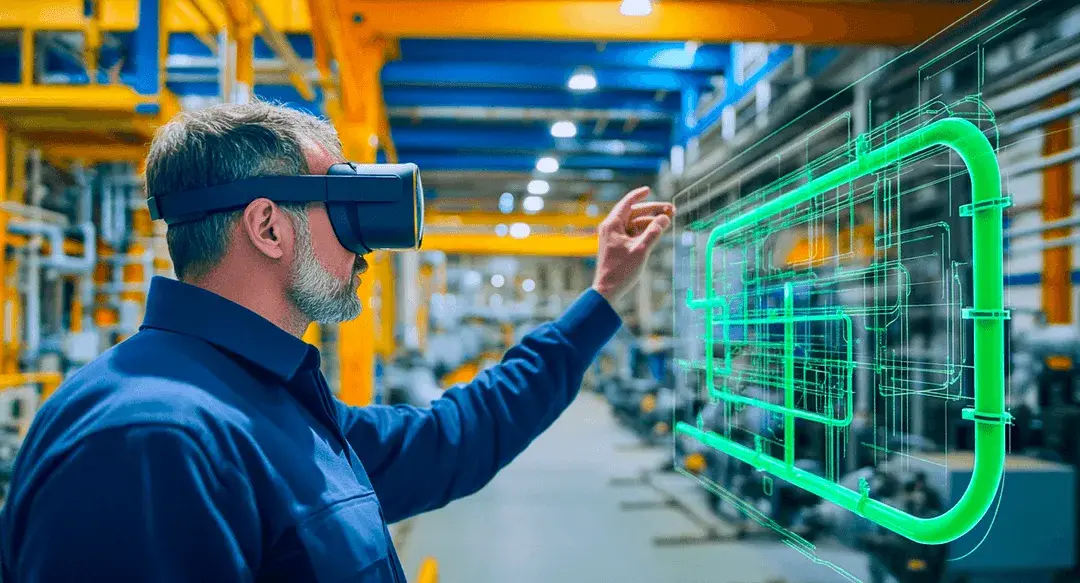
Enterprise VR adoption often stalls not because of content, cost, or readiness, but because most VR headsets are designed for short consumer experiences rather than sustained training use. While VR offers clear advantages for safe, repeatable learning, training environments demand long session durations, shared hardware, predictable performance, and high physical comfort. Consumer-first design choices-around weight distribution, thermal management, optics, and fit, compound over time, reducing learning effectiveness. VR succeeds in enterprise training only when hardware is designed with endurance, reliability, and human factors as primary constraints.
Read More
India is emerging as a global leader in human-centric AI, driven by strong digital infrastructure, government initiatives, and a diverse population that shapes culturally aware systems. Businesses using AI report higher employee satisfaction and lower turnover, while emotionally intelligent tools support wellbeing and leadership development. Startups and academic institutions advance ethical, emotionally aware AI despite challenges like bias, cultural complexity, and limited genuine empathy. India’s approach prioritizes trust, fairness, inclusivity, and human values, creating AI that enhances, rather than replaces, human connection.
Read More.webp)
VR training is transforming Indian manufacturing by improving safety, cutting training time, and boosting knowledge retention. Companies using VR report up to 70% fewer workplace injuries and over 50% faster training. MSMEs, contributing 35% of manufacturing output, gain the most as VR removes the need for physical spaces and enables consistent multi-location training. It aligns with experiential learning, letting workers practice realistic tasks safely. Though initial costs seem higher, VR becomes more economical at scale. With clear goals, pilots, and proper systems, manufacturers can implement VR effectively.
Read More
UPI integration with smart glasses marks a major shift toward ambient, hands-free payments in India. With UPI Lite being phased out, wearables now connect directly to NPCI’s core system, enabling QR scanning through built-in cameras and voice-based confirmations. This reduces friction, boosts inclusivity, and supports micro-transactions across retail, transit, and field operations. Strong security - on-device biometrics, tokenization, and encrypted credentials - keeps payments safe. Backed by NPCI and RBI pilots, UPI-enabled glasses are set to accelerate wearable adoption and redefine everyday digital payments nationwide.
Read More-min.png)
AI wearables are rapidly expanding, collecting continuous biometric, behavioral, environmental, and visual data that raise major privacy, ethical, and surveillance concerns. Their passive design limits informed consent, while biased AI models and misuse of smart glasses increase risks. Building trust requires transparency, explainable AI, on-device processing, and clear user control over data sharing. Regulations like GDPR and the EU AI Act push stricter standards, but companies must adopt privacy-by-design. Balancing innovation with strong protections is essential for responsible AI wearable adoption.
Read More
Spatial computing is rapidly evolving into the next operating system of reality, merging digital and physical worlds through technologies like computer vision, AI, sensor fusion, edge computing, and digital twins. It goes beyond AR and VR by enabling machines to understand 3D environments and respond naturally to human behavior. With major applications in healthcare, education, manufacturing, retail, defense, and cultural preservation, the industry is set for massive growth. Despite challenges like privacy, hardware limits, and data standards, rising 5G adoption will accelerate widespread implementation.
Read More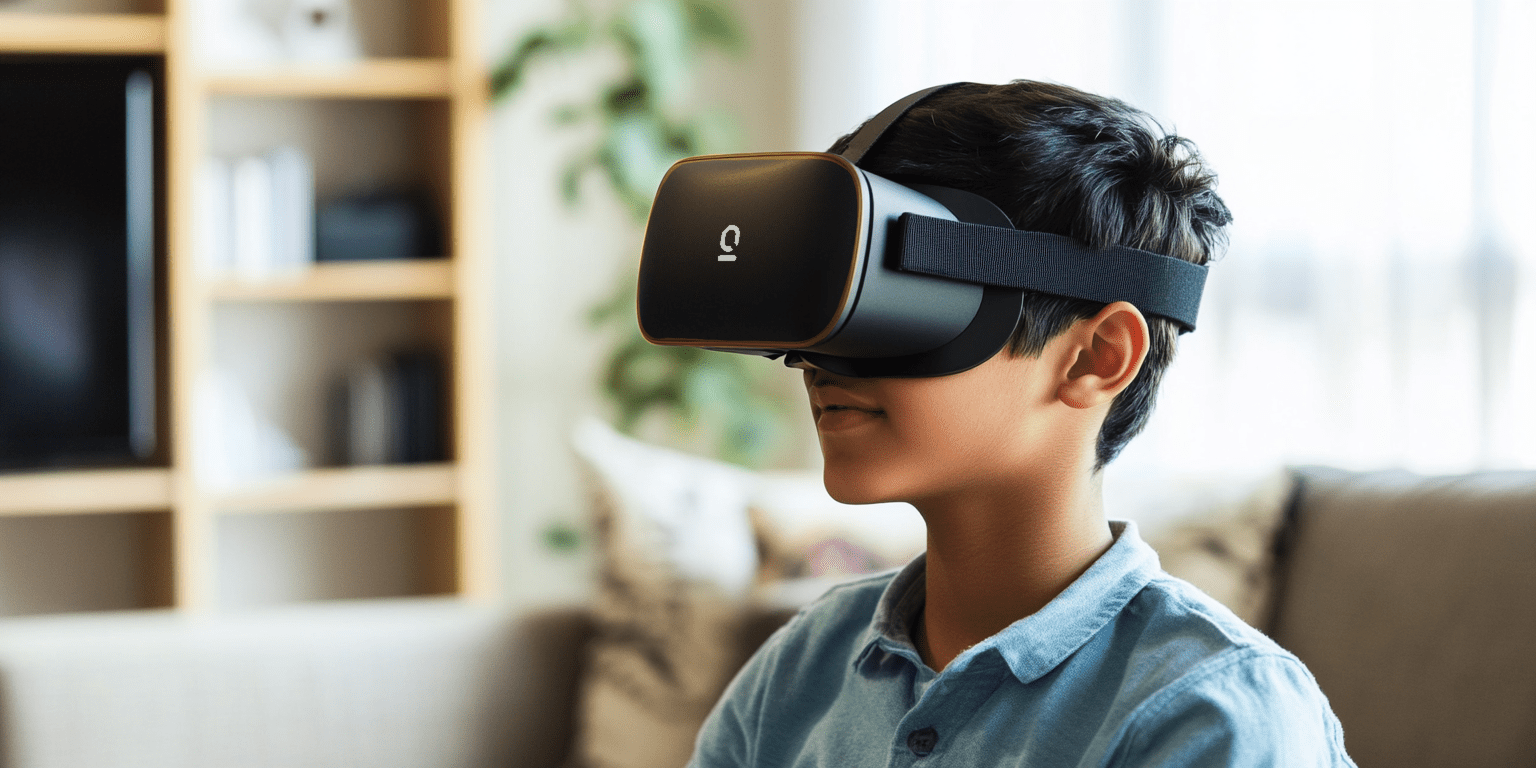
XR is reshaping education in India, enhancing learning for millions of students through immersive, interactive experiences. With global XR markets projected to surge, India’s NEP 2020 and NCERT-EON initiatives are driving large-scale adoption. VR, AR, and MR boost retention, engagement, and accessibility, supporting diverse learning styles and enabling virtual labs, historical explorations, and skill training. Challenges remain - device costs, teacher training, curriculum alignment, and privacy, but immersive classrooms promise transformative, inclusive, future-ready education nationwide.
Read More
India’s XR ecosystem is rapidly evolving into a cornerstone of its digital economy. Backed by Maharashtra’s ₹3,268 crore AVGC-XR Policy and initiatives like iDEX, XR is now recognized as essential infrastructure, driving innovation across defense, manufacturing, and education. Startups like Skillveri and Parallax Labs are creating global-impact solutions, while institutions such as IIT Madras and Bharat XR nurture skilled talent. With a projected 38.29% CAGR until 2027, India is set to become a leading global hub for immersive technologies.

AI-powered wearables are transforming accessibility in India, turning disabilities into capabilities and promoting independence. Innovations like smart glasses, AI hearing aids, and affordable prosthetics empower visually impaired, hearing-impaired, and mobility-challenged users, enhancing education, workplace productivity, and daily life. While adoption faces challenges - high costs, limited rural access, and social stigma, government initiatives and Make in India partnerships are paving the way for wider distribution. Collaborative efforts across public and private sectors can ensure these life-changing technologies reach millions, making inclusion and dignity a reality.
Read More
India’s VR landscape is evolving fast, with homegrown hardware reshaping how immersive technology is built and used. Local manufacturers now deliver affordable, India-focused VR headsets - some priced as low as ₹1,199, reducing dependence on imports. Backed by Make in India XR and government grants, startups and institutions like IITs are driving innovation across education, healthcare, tourism, and gaming. While challenges like hardware quality and R&D gaps remain, indigenous VR marks a decisive step toward self-reliant, culturally relevant, and globally competitive immersive technology.
Read More.png)
Smart glasses powered by AI are redefining how humans interact with technology—turning passive displays into intelligent, context-aware companions. From real-time translation and navigation to healthcare and education, these wearables integrate sensors, computer vision, and machine learning to understand and respond to their surroundings. As they evolve into proactive, privacy-conscious assistants, smart glasses represent the next leap in “heads-up computing.” With the market projected to hit $26 billion by 2030, they’re set to become the seamless interface between human perception and machine intelligence.
Read More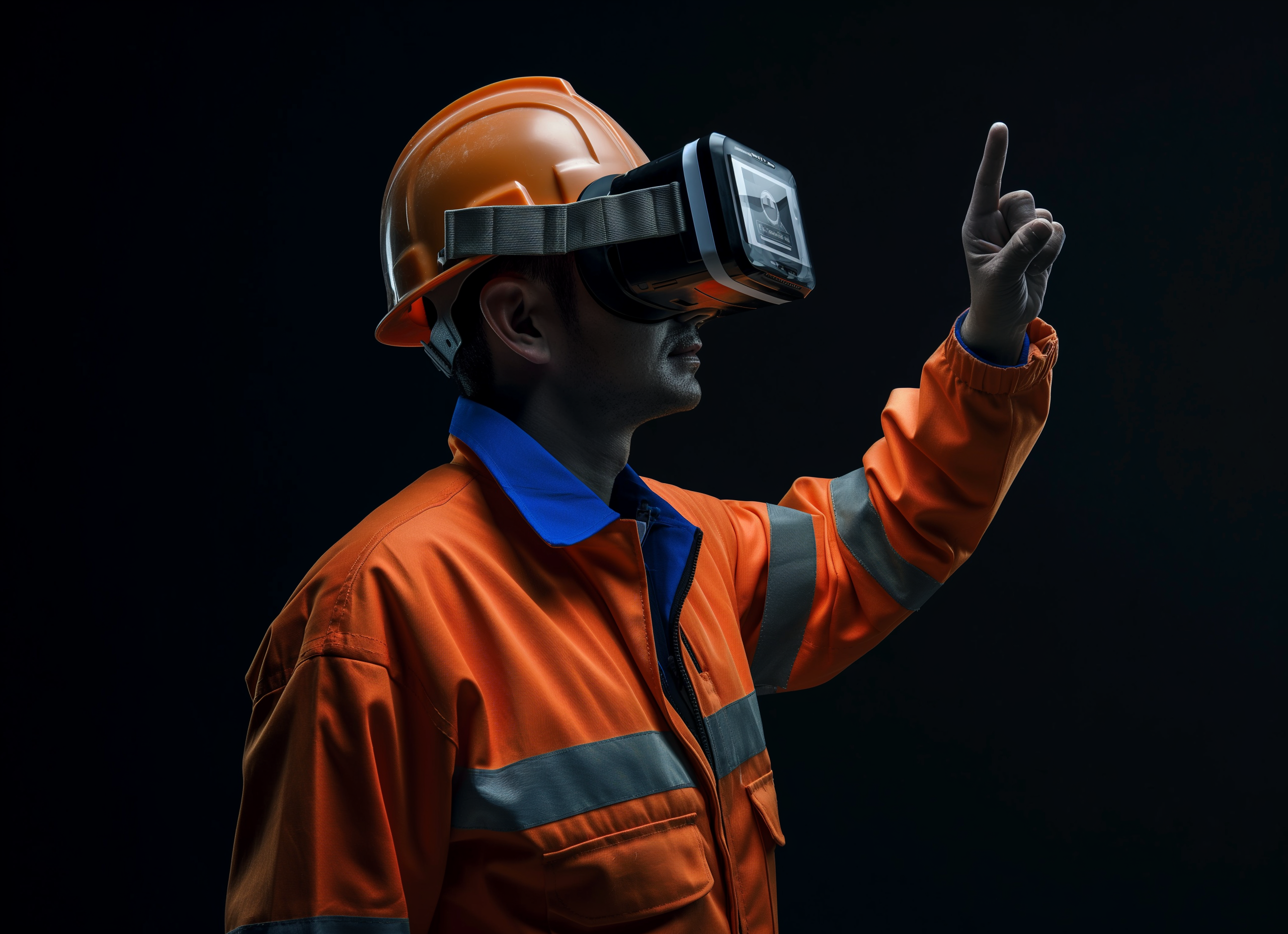
Virtual reality is transforming learning by creating immersive, interactive environments that boost engagement, retention, and skill development. Students remember up to 75% more, learn four times faster, and gain greater confidence through realistic simulations. Industries like healthcare, manufacturing, and retail report faster onboarding, fewer errors, and major safety improvements. As India adopts VR through AICTE recognition and rising demand for AR/VR skills, institutions can benefit by setting up VR labs, training faculty, and using cost-effective solutions. With huge economic potential, immersive learning is becoming essential for future-ready education and workforce training.
Read More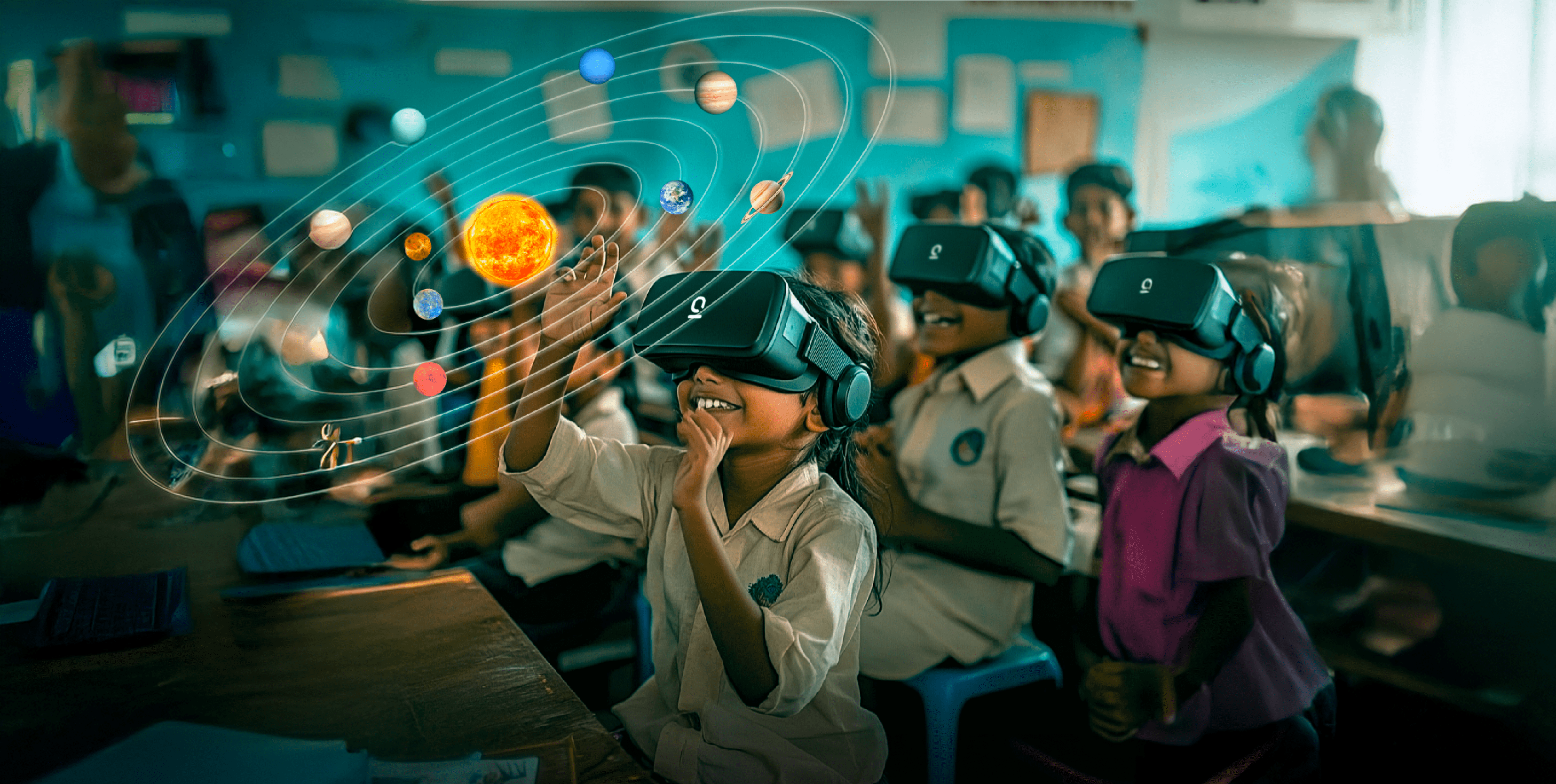
Virtual Reality is redefining education by turning lessons into immersive, interactive experiences. Through VR, students can explore the Earth’s core, conduct virtual science experiments, or relive historical moments - making abstract concepts tangible and engaging. It promotes active learning, empathy, and personalized progress while bridging accessibility gaps across regions. With India’s NEP 2022 supporting immersive education and scalable VR solutions, classrooms are evolving from static lectures to dynamic environments that inspire curiosity, creativity, and deeper understanding.
Read More
By signing up, you are agreeing to Terms of service and Privacy policy.
You can withdraw consent at any time.
.svg)
.svg)
.svg)

.png)

