

.svg)
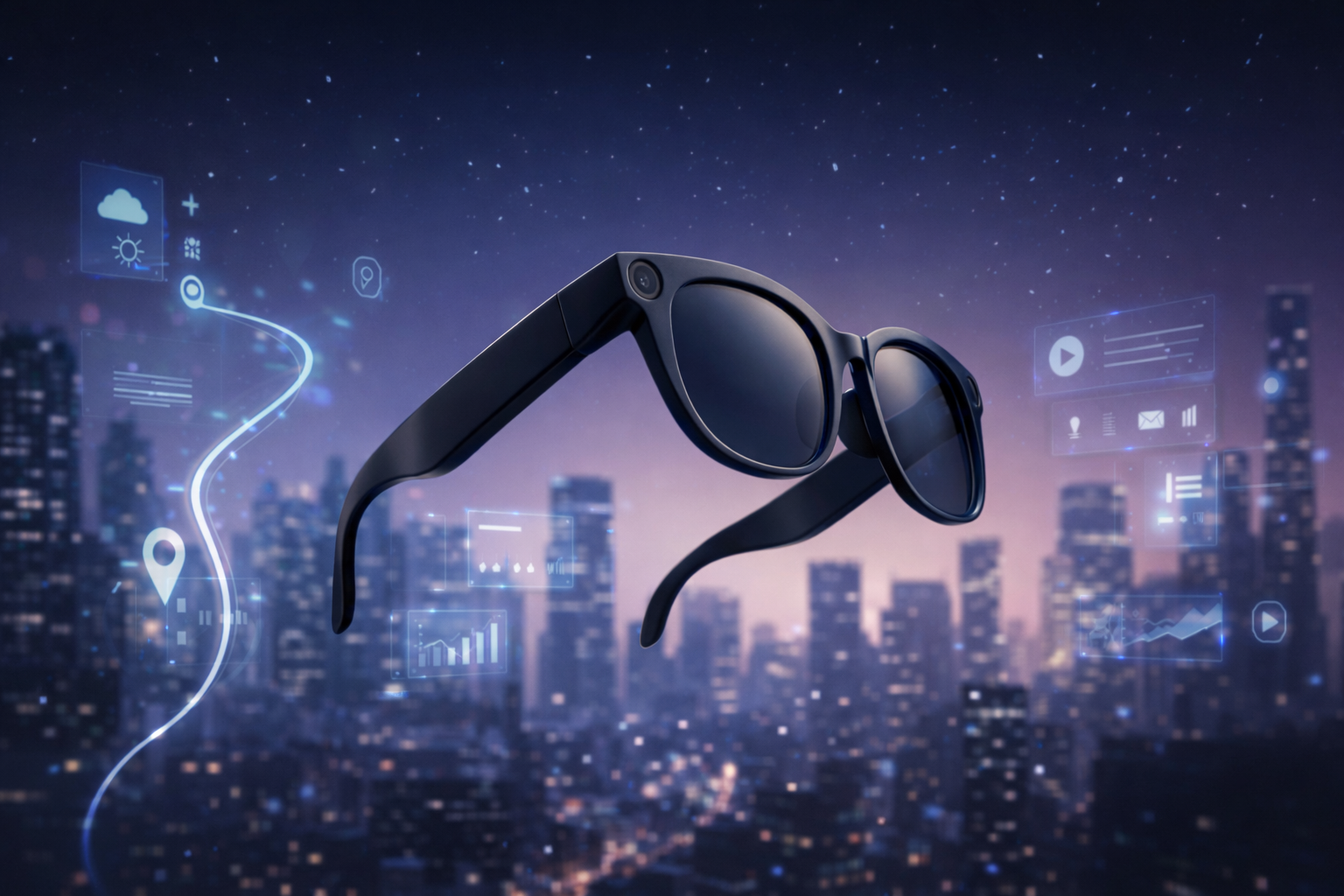
We are currently living through a global "eyes-down" epidemic. If you walk through any city center or sit in any cafe, the view is the same: rows of people hunched over glowing rectangles, physically present but mentally miles away. This phenomenon, often referred to as smartphone addiction, has led to a surge in digital fatigue and a measurable decline in genuine human connection.
In 2026, the solution isn't to retreat from technology entirely—it's to change how we interface with it. The rise of ambient computing and AI-powered smart glasses is offering a way out. By shifting from an immersive screen to a contextual audio interface, we can finally break the "zombie stare" and reclaim our presence in the real world.
To understand why smart glasses vs smartphones is the most important debate in modern tech, we have to look at how handheld devices work. Every time you unlock your phone to check a single notification, you are entering a high-friction environment designed to capture your attention.
A simple check of the weather often leads to a "doom-scrolling" session on social media. This is because the smartphone interface is immersive—it demands your full visual attention and hijacks your dopamine receptors. Research into smartphone posture and mental health shows that this "head-down" behavior is directly linked to increased stress levels and decreased situational awareness.
Ambient computing is the backbone of the next-gen wearable revolution. It refers to technology that is always available but remains invisible until it is needed. Unlike a phone that sits in your pocket as a "destination" for your attention, AI smart glasses function as a layer over your reality.
By using audio-first interfaces, these wearables provide information through open-ear audio. You hear a whispered reminder about your next meeting or a voice-guided navigation prompt, but your eyes stay on the road, your children, or your dinner companion. This is the essence of "Gentle Tech"—it serves you without demanding that you stop living your life.
The biggest driver of smartphone dependency is the notification. On a phone, a notification is a lure. On AI wearables, it is simply a data point. When you receive a text, your glasses can read it to you. You can reply via voice and move on. Because there is no screen to look at, there is no temptation to click on a trending video or a news alert. You get the "signal" without the "noise."
In 2026, social etiquette is evolving. Checking a watch or a phone during a conversation is increasingly seen as a sign of digital distraction. AI smart glasses allow for "eyes-up" connectivity. You can stay informed about urgent matters while maintaining eye contact. This restores the human connection that is so often lost in our screen-centric world.
The physical toll of smartphone addiction is well-documented. MDPI research suggests that the constant forward lean of "text neck" affects spinal alignment and even breathing patterns. Smart glasses naturally correct this by moving the "interface" to your eye level. By keeping your head up, you improve your posture, increase your field of vision, and reduce the physical strain of digital life.
As we look toward the end of the decade, the question is no longer if wearables will replace phones, but when. The battle for the primary screen is being won by devices that don't have screens at all.
Multimodal AI allows smart glasses to act as a personal assistant that "sees" what you see and "hears" what you hear. Need to translate a sign in a foreign country? Your glasses do it via audio. Need to remember a person's name at a networking event? Your AI assistant whispers it in your ear.
This is calm technology—it enhances your human capabilities rather than replacing your human experiences with digital ones.
Breaking a smartphone addiction doesn't mean giving up the benefits of the internet; it means choosing a better way to access it. By embracing ambient computing through AI smart glasses, we can stop living our lives through a lens and start living them in the first person.
The future of technology isn't more pixels—it's more presence. It’s time to put the phone down, put the glasses on, and look up.
Coderio (2025): Ambient Computing: The Invisible Interface Revolution.
Google Design: More Human Ambiance in Ambient Computing.
SmartBuyGlasses (2026): Should You Consider Smart Glasses in 2026? A Practical Buyer’s Guide.
Intelligent Living (2026): The 2026 Smart Glasses Surge: Replacing the Smartphone.
InAirSpace (2026): Audio Only Smart Glasses: The Unseen Revolution.
Times of India (2025): Your Phone Posture Could Be Making You Sad, Tired, and Stressed.
MDPI (2025): Effects of Smartphone Use on Posture and Gait: A Narrative Review.
UC Today (2025): AI Smart Glasses vs. Smartphones: The Battle for Your Primary Screen.
Neuberger Berman (2025): Will Smart Glasses Replace Smart Phones?
Humbl Smart Glasses

By signing up, you are agreeing to Terms of service and Privacy policy.
You can withdraw consent at any time.
.svg)
.svg)
.svg)

.png)
